KazNARU RESEARCH FINDINGS PRESENTED AT AN INTERNATIONAL SYMPOSIUM
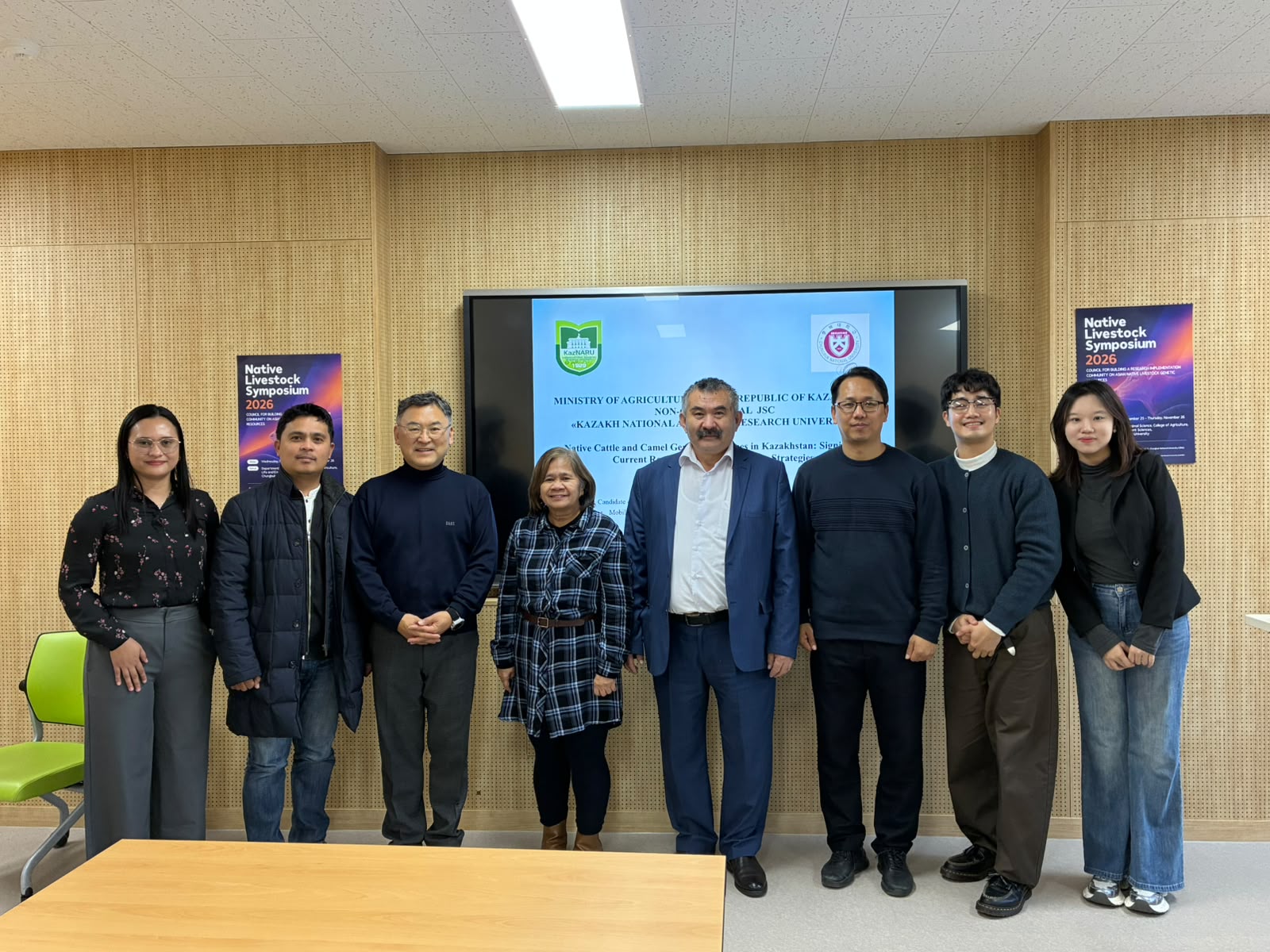

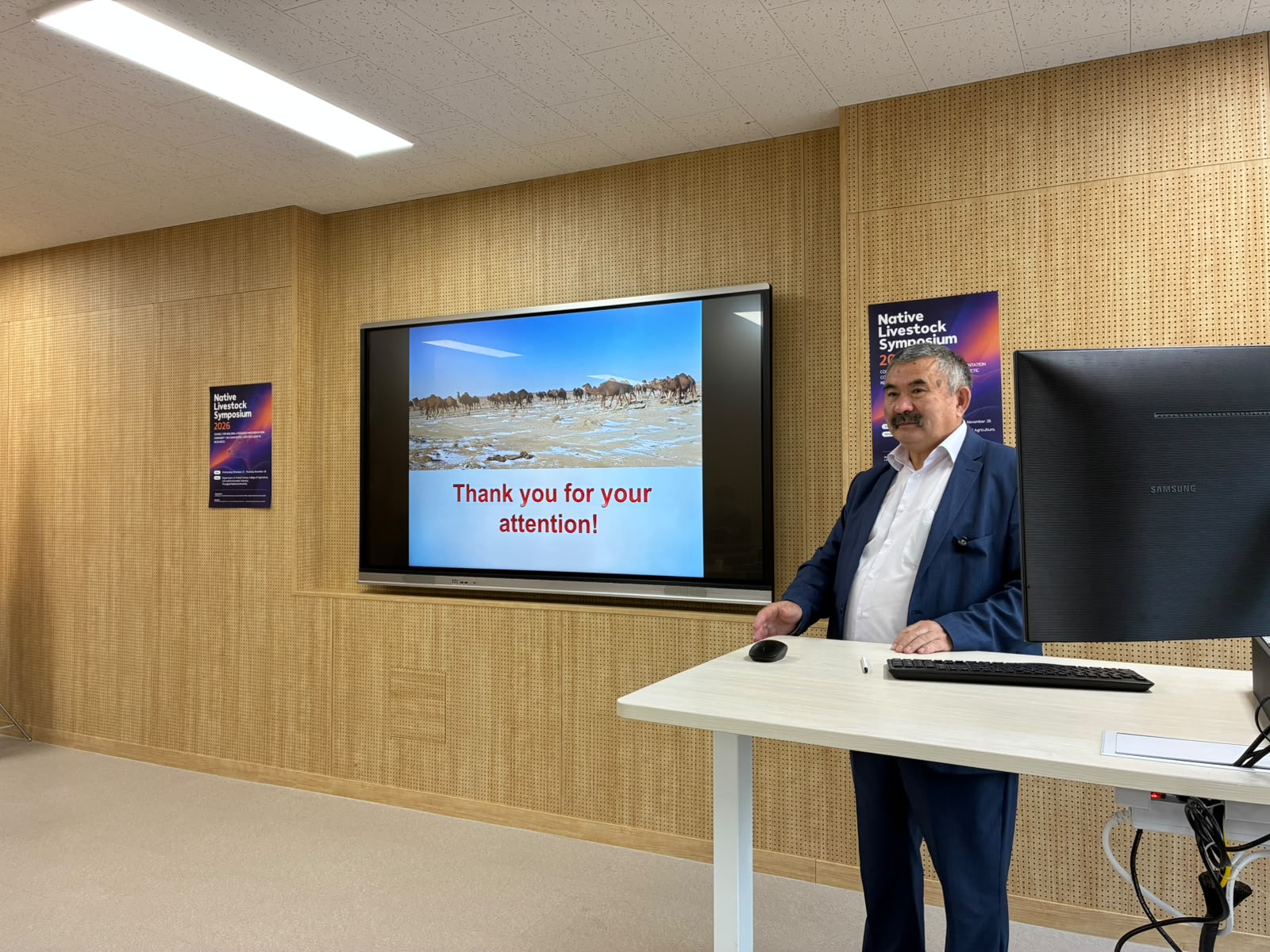
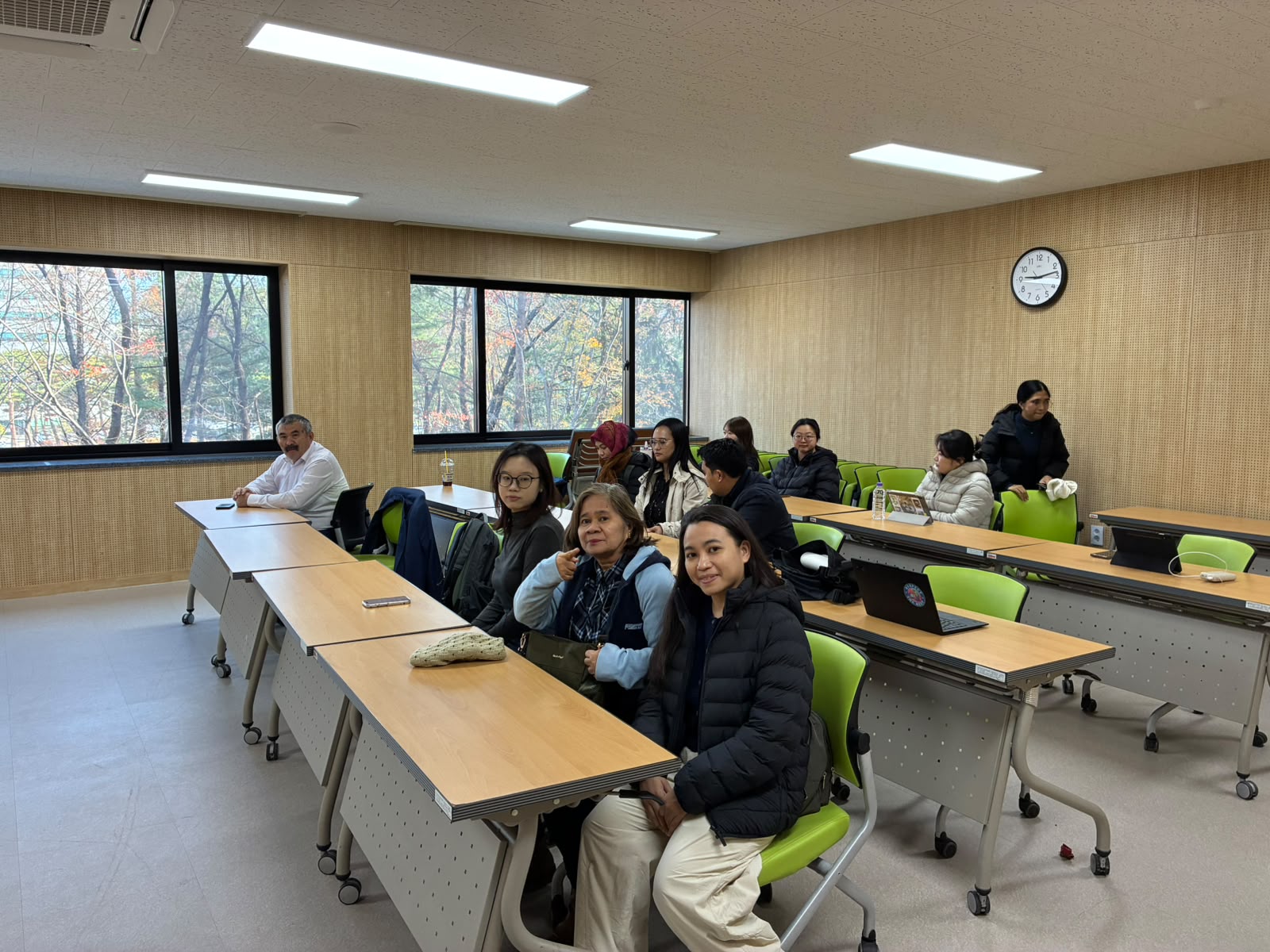
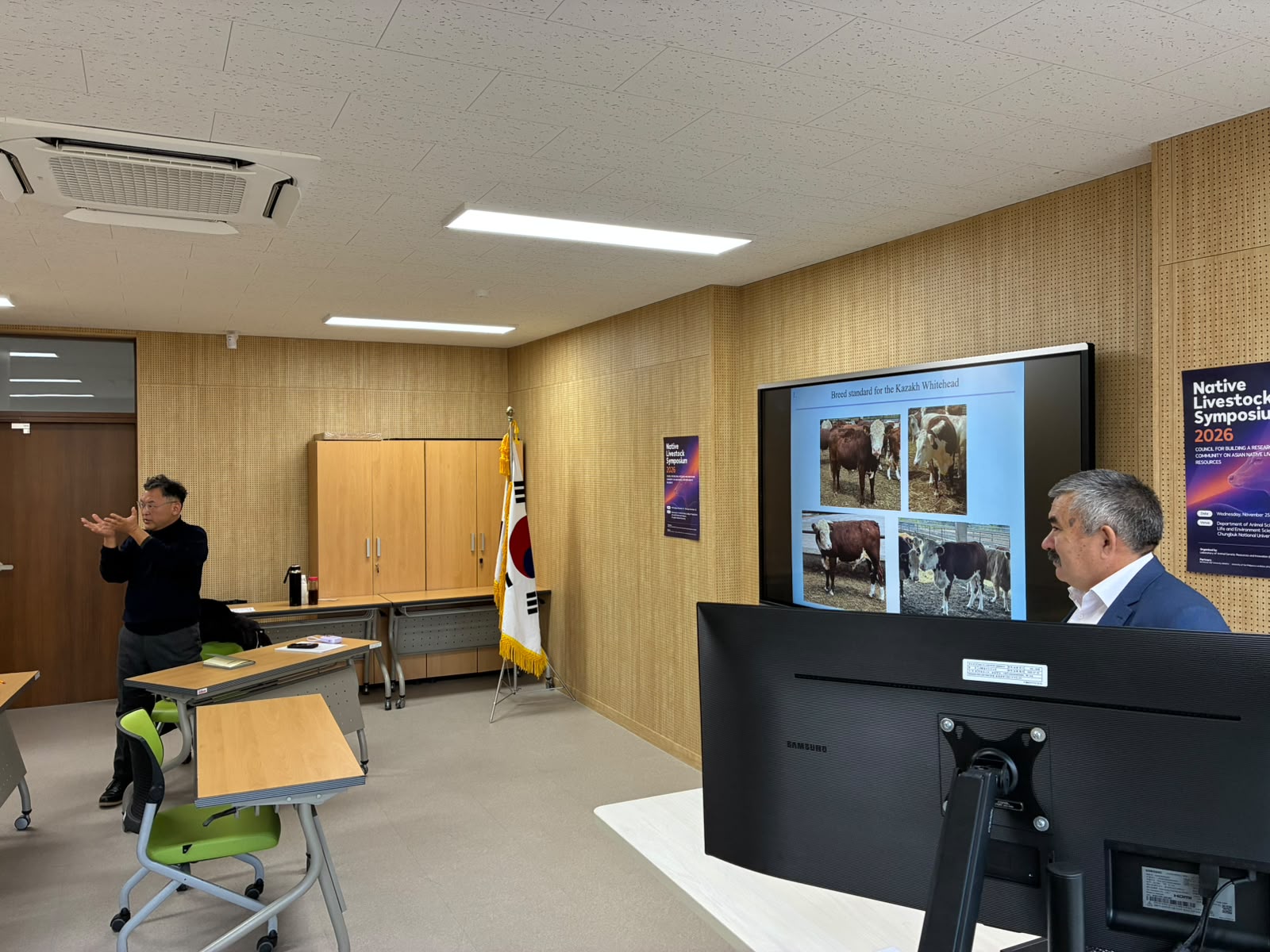
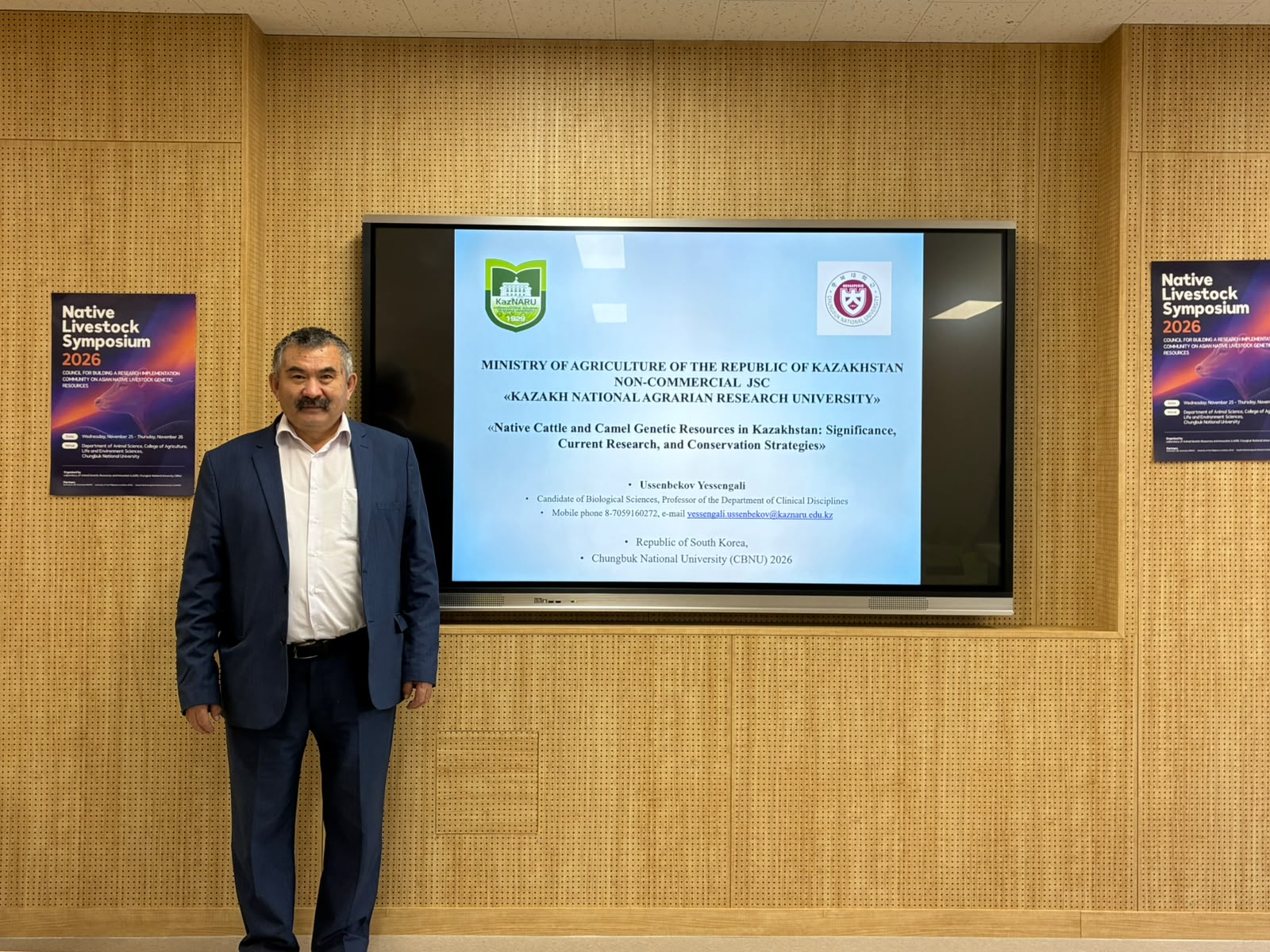
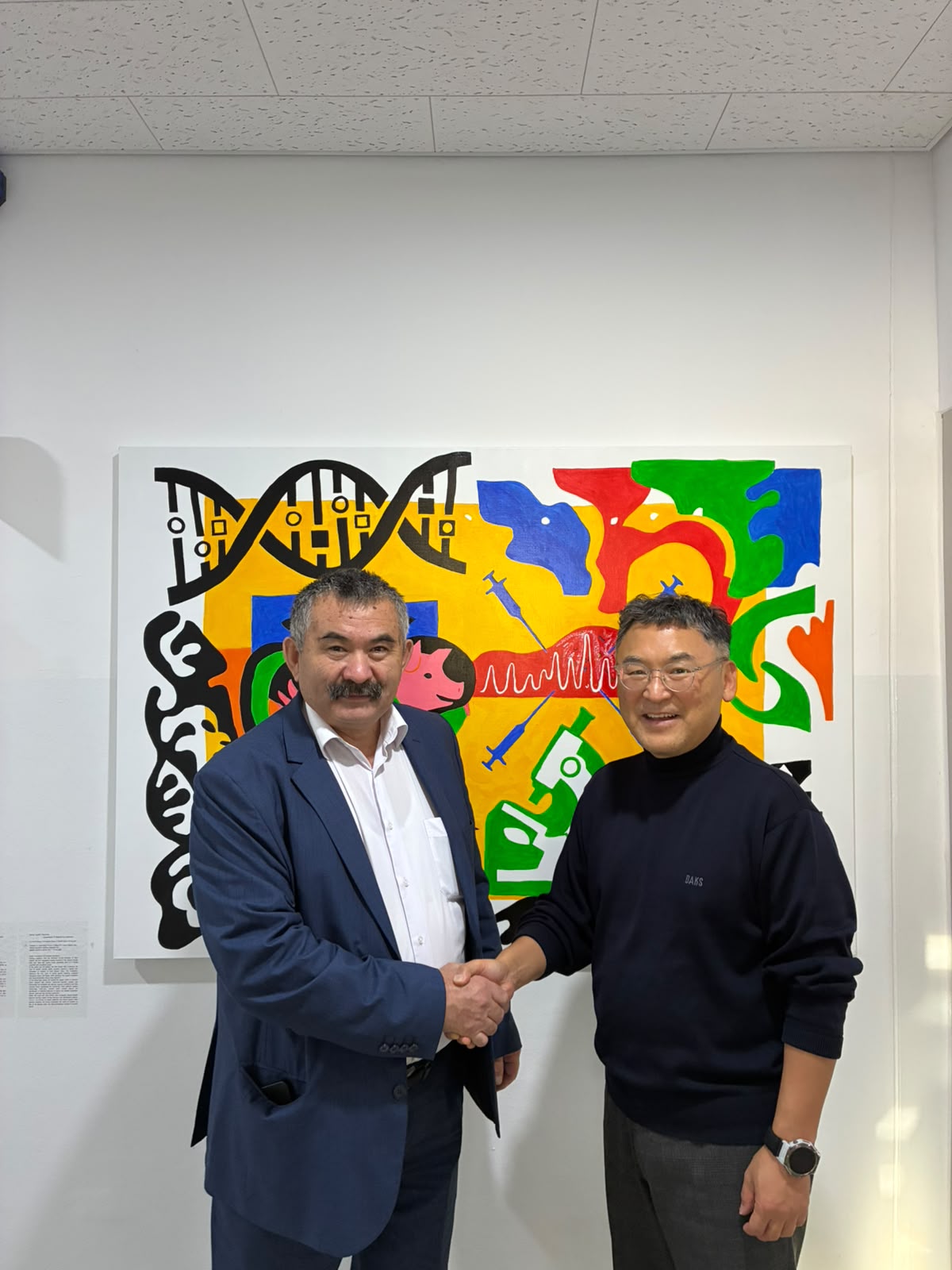
On November 25–26, 2026, Chungbuk National University in the Republic of Korea hosted the Native Livestock Symposium 2026, bringing together scientists from Kazakhstan, the Republic of Korea, China and the Philippines.
In his opening remarks, Professor Kwan Suk Kim highlighted the scientific and practical significance of studying the genetic resources of local livestock breeds, the potential for applying research findings to enhance the genetic potential of livestock populations, and the importance of strengthening scientific cooperation between universities.
Professor Yessengali Ussenbekov, Candidate of Biological Sciences and Professor at KazNARU’s Department of Clinical Disciplines, delivered a presentation entitled “Native Cattle and Camel Genetic Resources in Kazakhstan: Significance, Current Research, and Conservation Strategies.”
Over the past decade, the university’s research team has conducted extensive studies on DNA markers associated with reproductive function and resistance to mastitis in cattle, as well as the development of molecular genetic diagnostic methods for hereditary disorders in Holstein, Jersey and Angus breeds.
The symposium featured the results of whole-genome sequencing of five local cattle breeds in Kazakhstan – Kazakh Whiteheaded, Kalmyk, Auliekol, Alatau and Aulie-Ata – conducted under research project AP19674808. Bioinformatic analysis identified candidate genes associated with metabolic processes, lipid metabolism, animal growth, muscle development, milk yield and disease resistance. The research findings have been published in high-ranking international scientific journals, and patents for inventions have been granted in the Republic of Kazakhstan.
International researchers expressed particular interest in the adaptive characteristics of the Kalmyk breed, its ability to protect offspring and the economic efficiency of its breeding. Considerable attention was also devoted to declining populations of the Aulie-Ata and Alatau breeds, the conservation of their genetic resources, and the application of modern biotechnologies, including artificial insemination, sex-sorted semen and embryo transfer.
Camel farming was another key focus of the presentation. Under research project AP26194317, whole-genome sequencing was conducted on DNA samples from dromedary and Bactrian camels collected across various regions of Kazakhstan. The study identified candidate genes associated with adaptive traits and revealed reduced heterozygosity, increased inbreeding and lower genetic polymorphism in the populations examined.
In 2026, a comprehensive analysis of genomic sequencing data from camels in the Turkistan and Kyzylorda regions was conducted in collaboration with researchers from Northwest A&F University in China. The study demonstrated the effectiveness of international scientific cooperation.
The symposium also featured presentations by Professor Ningbo Chen, Professor Agapita J. Salces and PhD candidate Huixuan Yan. Participants exchanged expertise in genome editing, early prediction of animal productivity and the integration of genetic research findings into livestock breeding and genetic improvement programmes.
The symposium resulted in agreements to conduct joint research on the genetics of local Kazakhstani livestock breeds with Northwest A&F University, receive scientific and methodological support from Chungbuk National University, and facilitate the participation of young Kazakhstani scientists in the annual international conference hosted by the University of the Philippines Los Baños (UPLB).
Participation in the international symposium provided an opportunity to showcase KazNARU’s research achievements to the global scientific community, advance the conservation of Kazakhstan’s livestock genetic resources and strengthen international research partnerships.
Related news