FIRST DAY OF THE INTERNATIONAL FORUM “SUSTAINABLE URBAN DEVELOPMENT: CHALLENGES IN WATER RESOURCES MANAGEMENT”
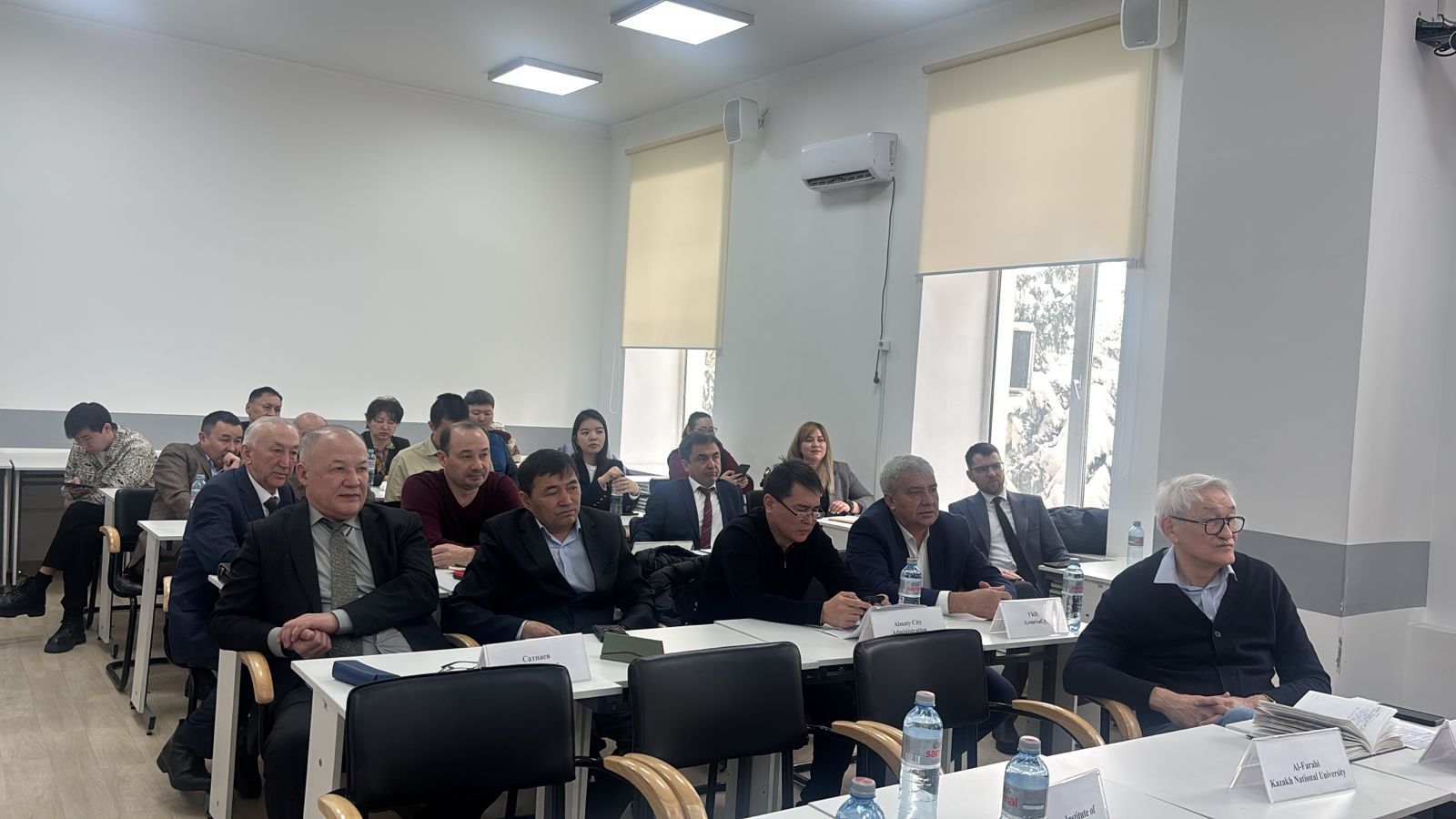
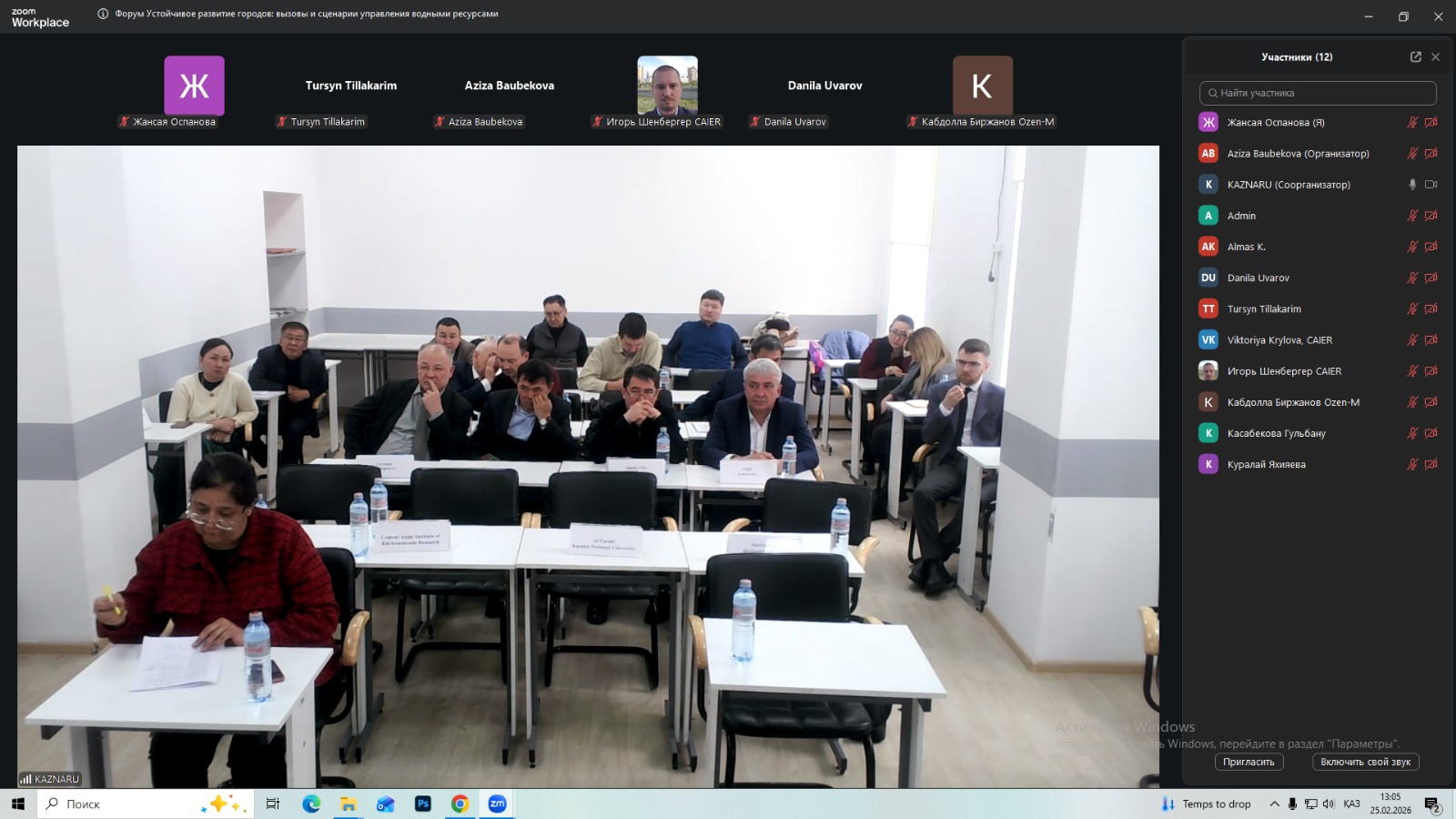
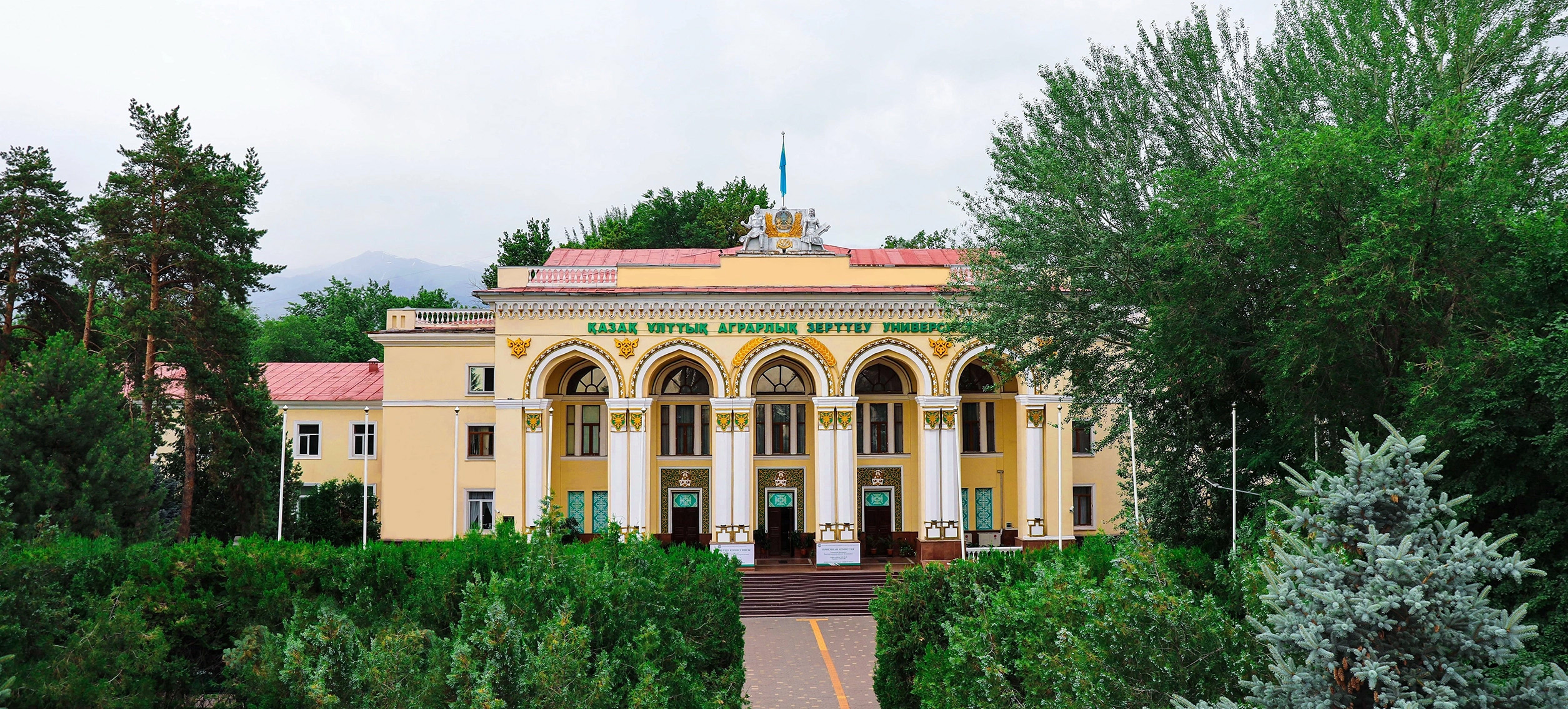
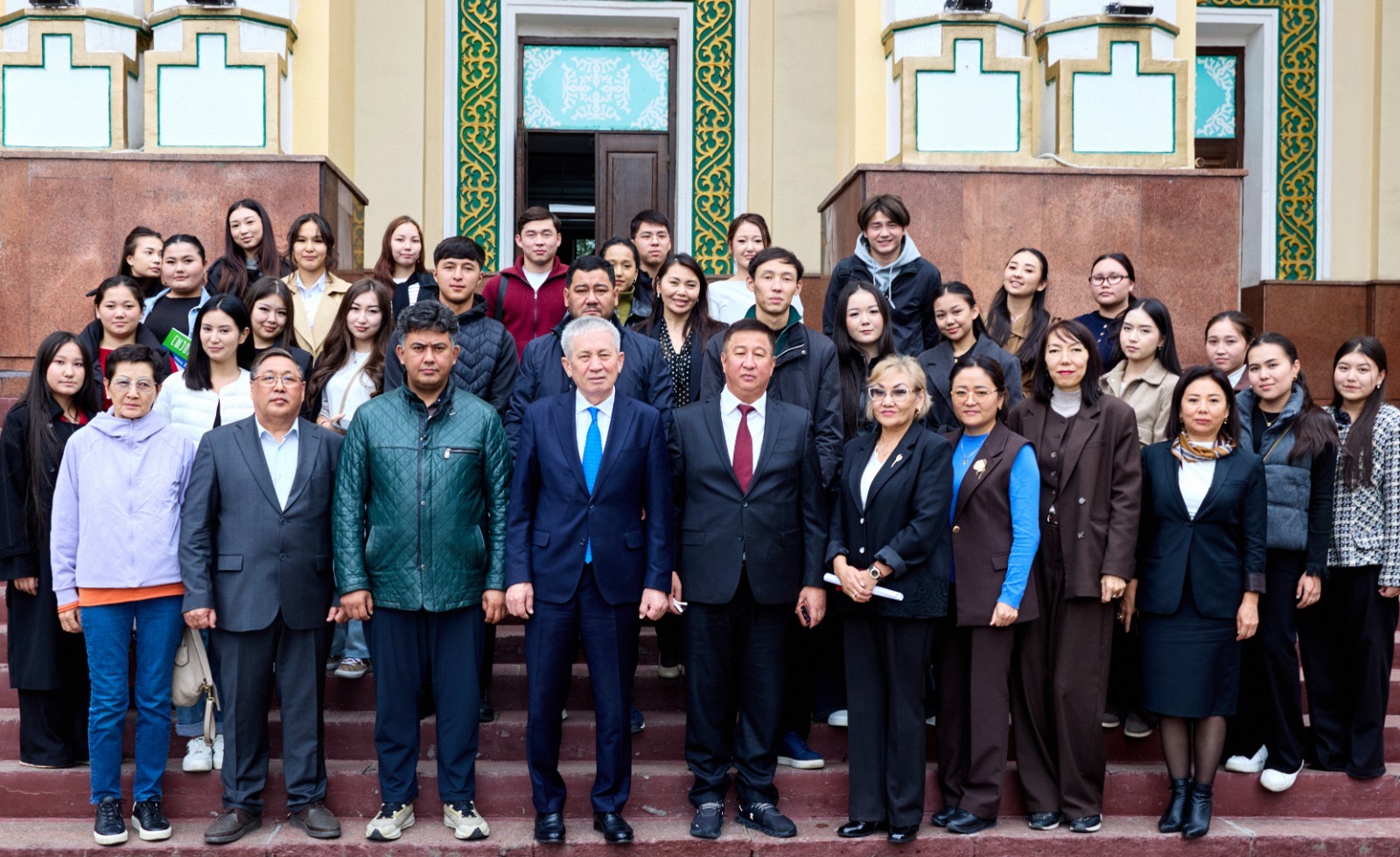
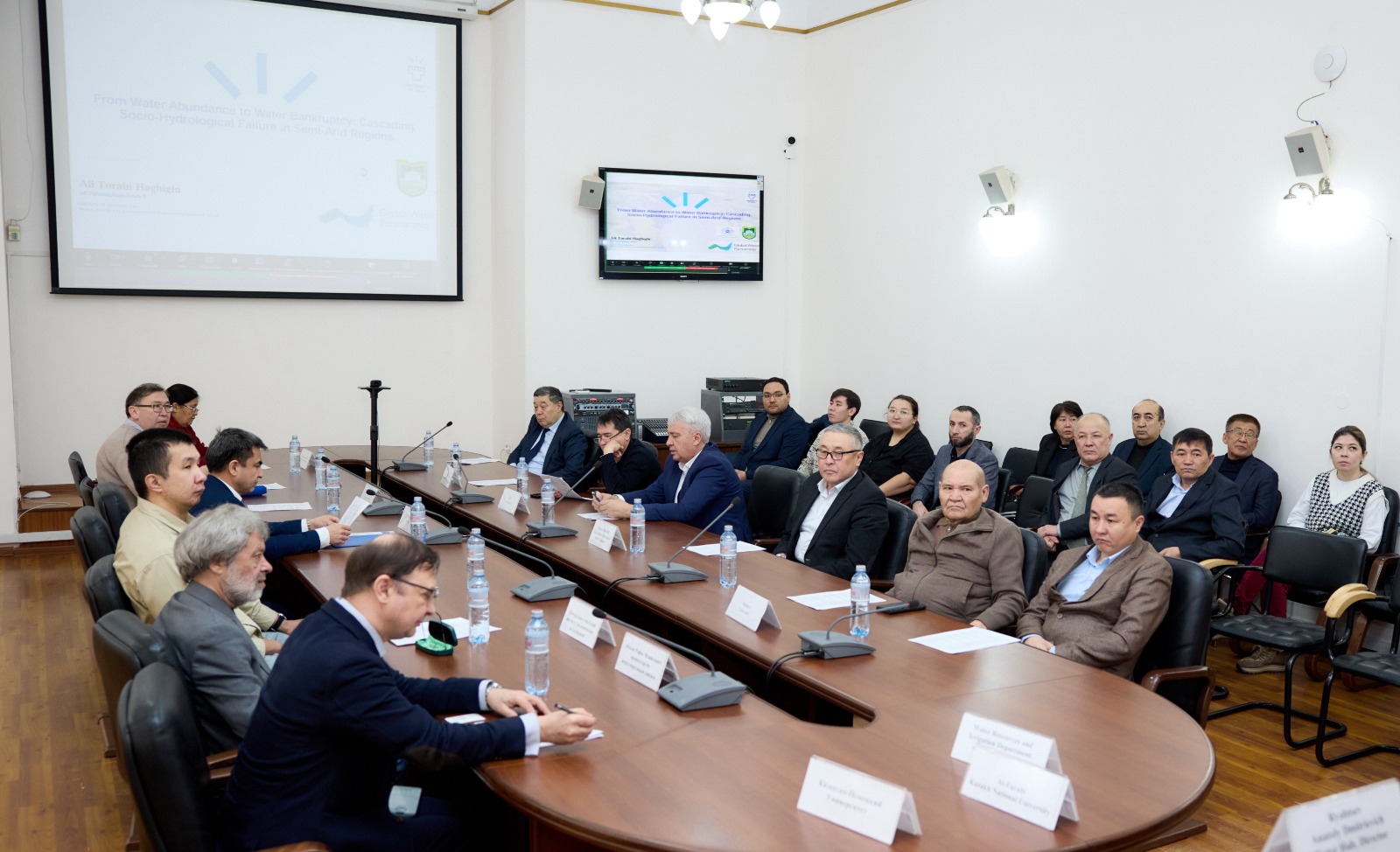
On February 25, 2026, the first day of the International Scientific and Expert Forum “Sustainable Urban Development: Challenges and Scenarios in Water Resources Management” was held at the Kazakh National Agrarian Research University (KazNARU).
The event brought together representatives of the scientific community, government authorities, sectoral organizations, and water management enterprises to discuss strategic issues of water security and sustainable water resource management in the city of Almaty.
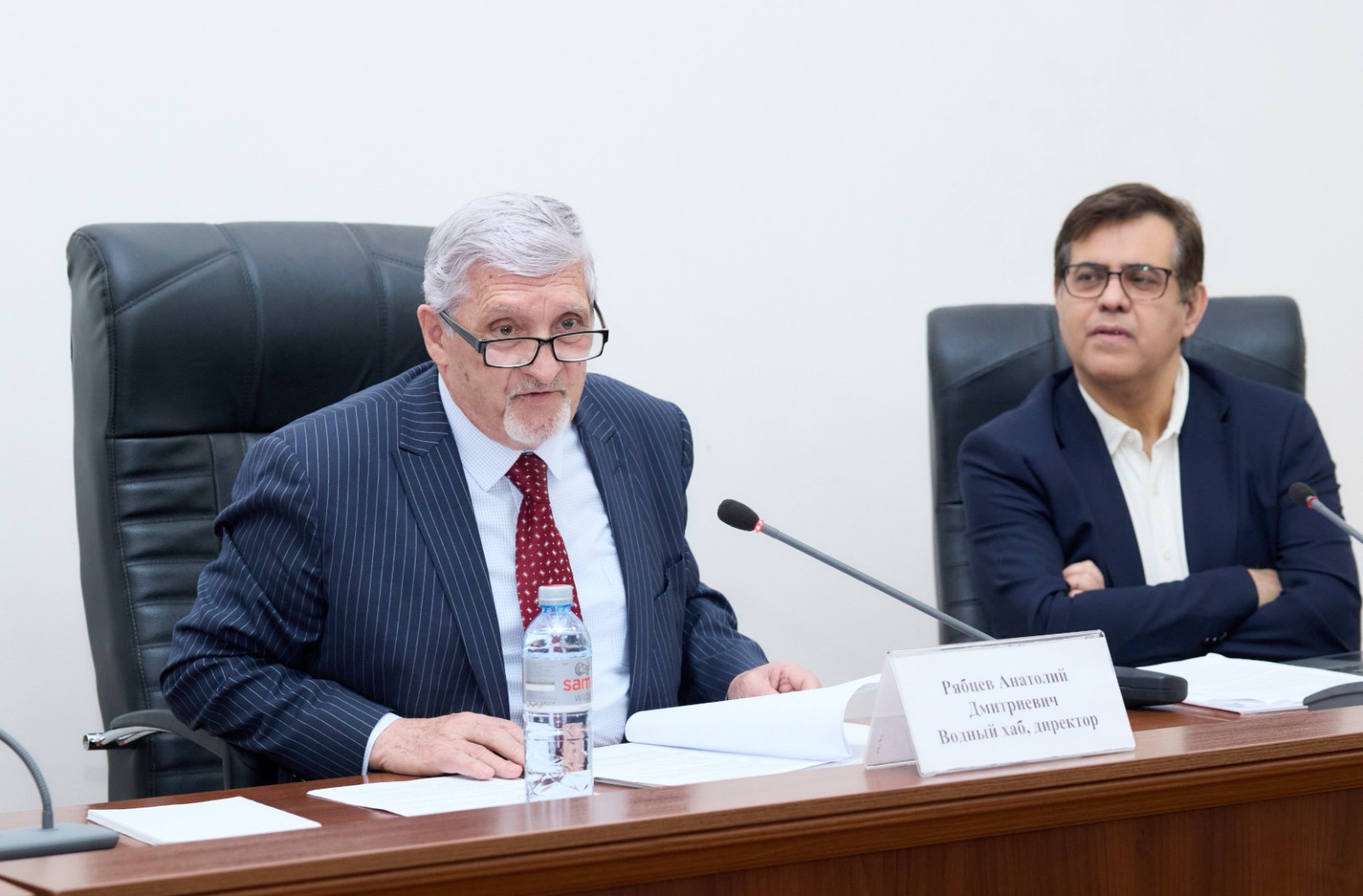
The forum moderator, Director of the Water Hub of KazNARU Anatoly Ryabtsev, officially opened the event and invited the First Vice-Rector of KazNARU, Pirimkul Ibragimov, to deliver the welcome address.
In his speech, the First Vice-Rector emphasized that efficient water resource management today is not only an environmental issue but also an economic and social priority directly linked to sustainable urban development, food security, and ecological balance. Under conditions of climate change and rapid urbanization, the introduction of modern water-saving technologies, the development of a culture of rational water use, and science-based management decisions are becoming increasingly important. He stressed that the principle “Every drop of water is an investment in the future” should serve as the foundation of national and regional water policy, while university research focuses on digital monitoring, hydrological modeling, and reducing water scarcity risks.
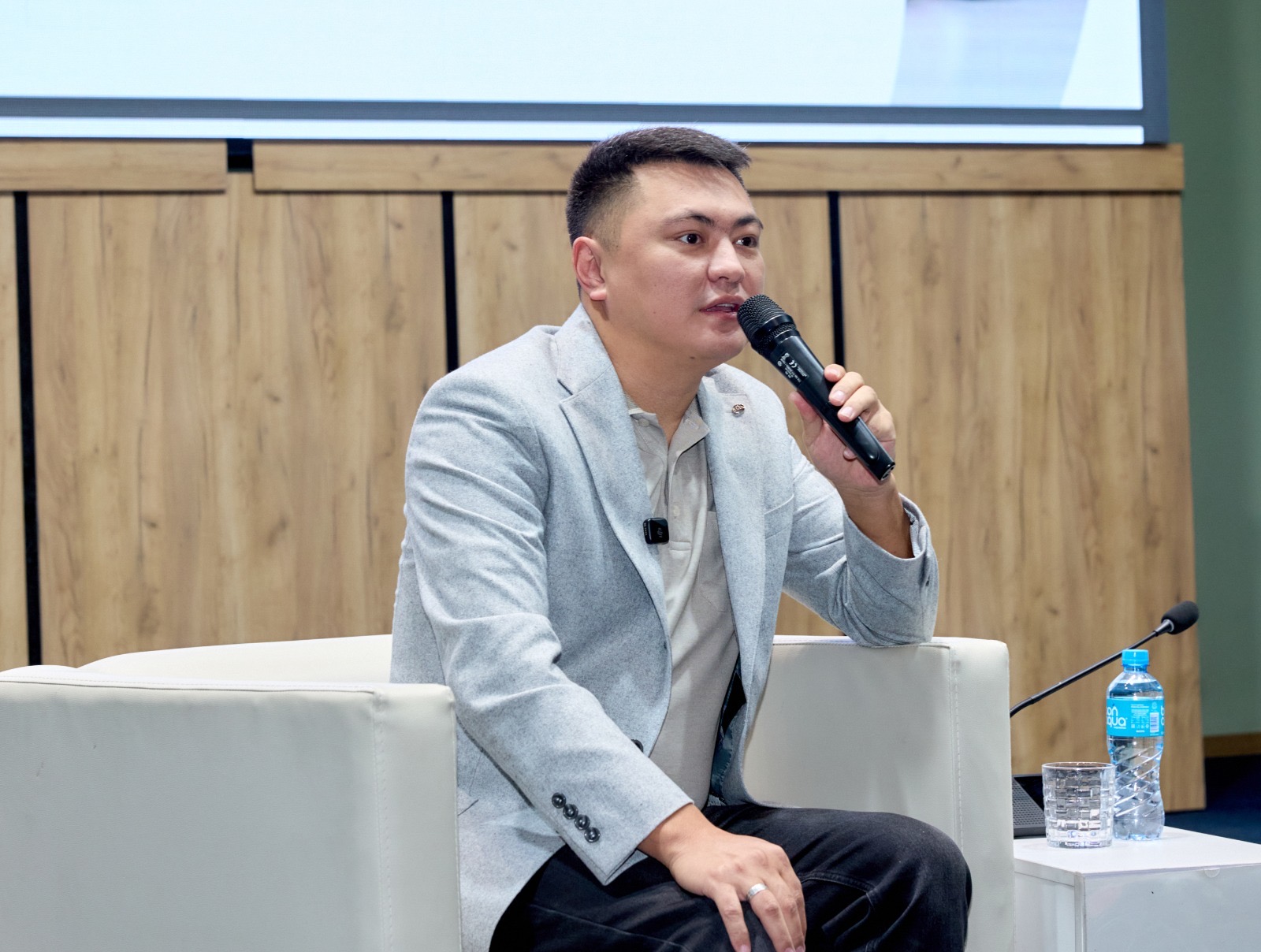
In his welcoming remarks, the representative of the Akimat of the city of Almaty, Miras Nysanaliyev, highlighted that the mountain water resources of Almaty are a strategic asset of the metropolis, and rational water use and conservation are key priorities amid population growth and climate change. He noted that, on the initiative of Almaty Mayor Darkhan Satybaldy, special attention is being given to the development of science. In cooperation with the Science Committee of the Ministry of Science and Higher Education of the Republic of Kazakhstan, competitive grant programs are planned to support applied scientific research and implementation. The environmental agenda of Almaty — reducing air pollution, urban greening, and developing environmental monitoring systems — has been defined as one of the five key strategic development priorities of the city.
The keynote speech was delivered by Professor Ali Torabi Haghighi (University of Oulu, Finland) on the topic “From Water Abundance to Water Bankruptcy: Cascading Socio-Hydrological Failure in Semi-Arid Regions.” The professor represents the European Scientific School (Finland), which holds a leading position in the field of water management and environmental sustainability and is among the top 2% of the most cited scientists in the world in the field of hydrology.
In his presentation, he introduced the concept of transition from water abundance to “water bankruptcy” — a state in which water management systems lose resilience due to climate change and governance decisions. The lecture addressed climate impacts on the water cycle, glacier degradation (including the Vakhsh River basin case), growing water demand, groundwater depletion, and the need for adaptive water governance. Particular attention was paid to the concept of “mirage water,” describing the risks of allocating water resources without considering hydrological limitations.
As a case study, Professor Haghighi presented the experience of the Sefidrud River basin in Iran, where over the past decades excessive exploitation of strategic freshwater reserves for irrigation has led to systemic crisis, comparable to developments in the Amu Darya and Aral Sea basins. Responding to questions about calculations for the Syr Darya basin, he noted his cooperation with the International Fund for Saving the Aral Sea and confirmed readiness for scientific data exchange during the upcoming foresight session. The presentation sparked active discussion among participants.
The forum facilitator was Ivan Radelyuk, Associate Professor at Toraighyrov University. He coordinated expert discussions and provided English interpretation, ensuring effective communication between international and local participants.
During the plenary session, Alexander Kokarev, representative of the Central Asian Regional Glaciological Centre (Category 2 under the auspices of UNESCO), presented updated data on glacier degradation in Kazakhstan and its implications for national water security.
Expert presentations on Almaty’s urban water cases were delivered by representatives of AlmatySu, the Water Hub of KazNARU, Kazhydromet, the U.M. Akhmedsafin Institute of Hydrogeology and Geoecology, Satbayev University, KazVodKhoz, as well as the Central Asian Institute for Environmental Research, which introduced the “Almaty Water Road Map” initiative.
Discussions focused on modernization of urban water infrastructure, resilience of water supply systems, rational reuse of treated wastewater, environmental safety, and strategic water governance for the city of Almaty.
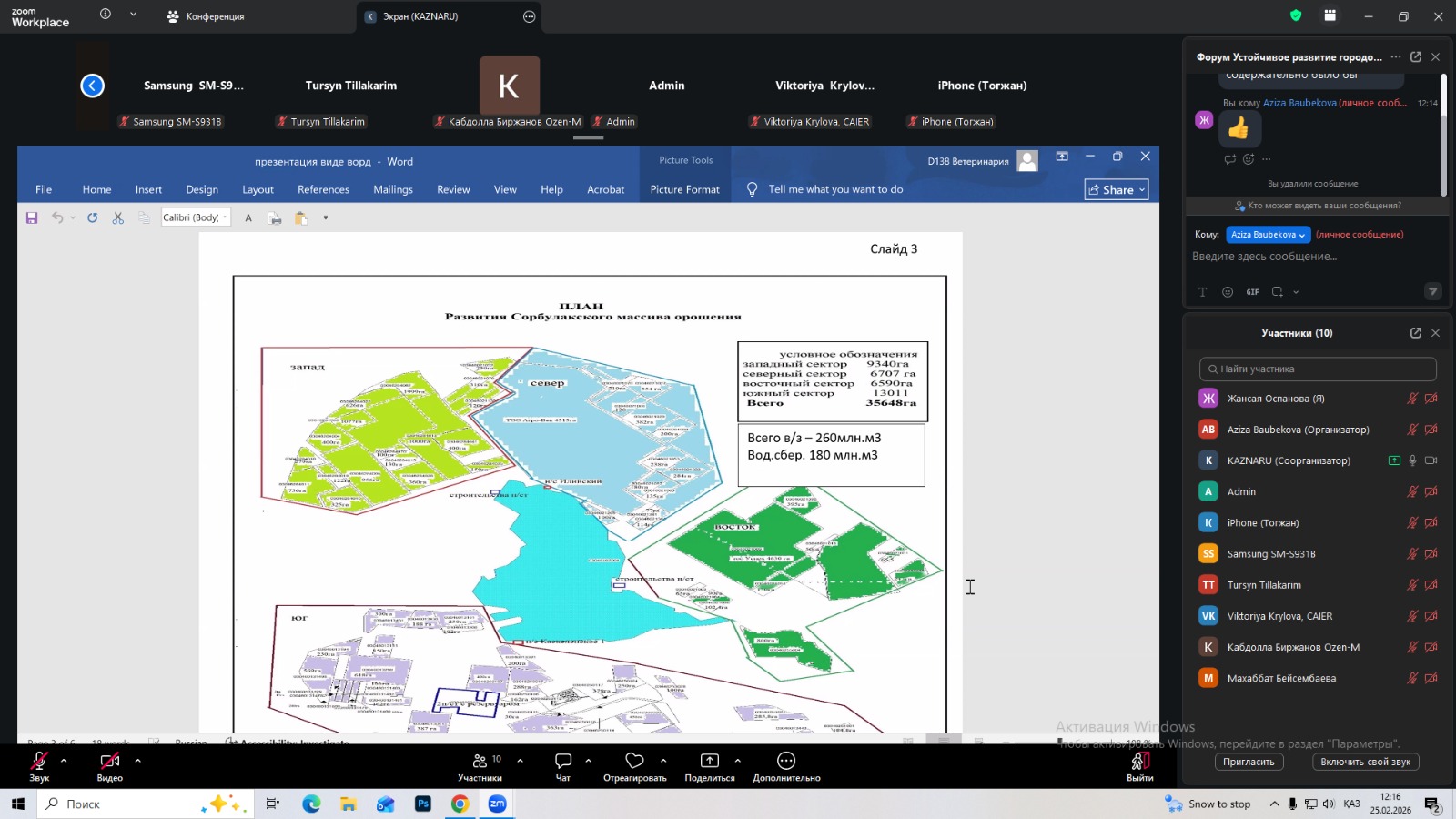
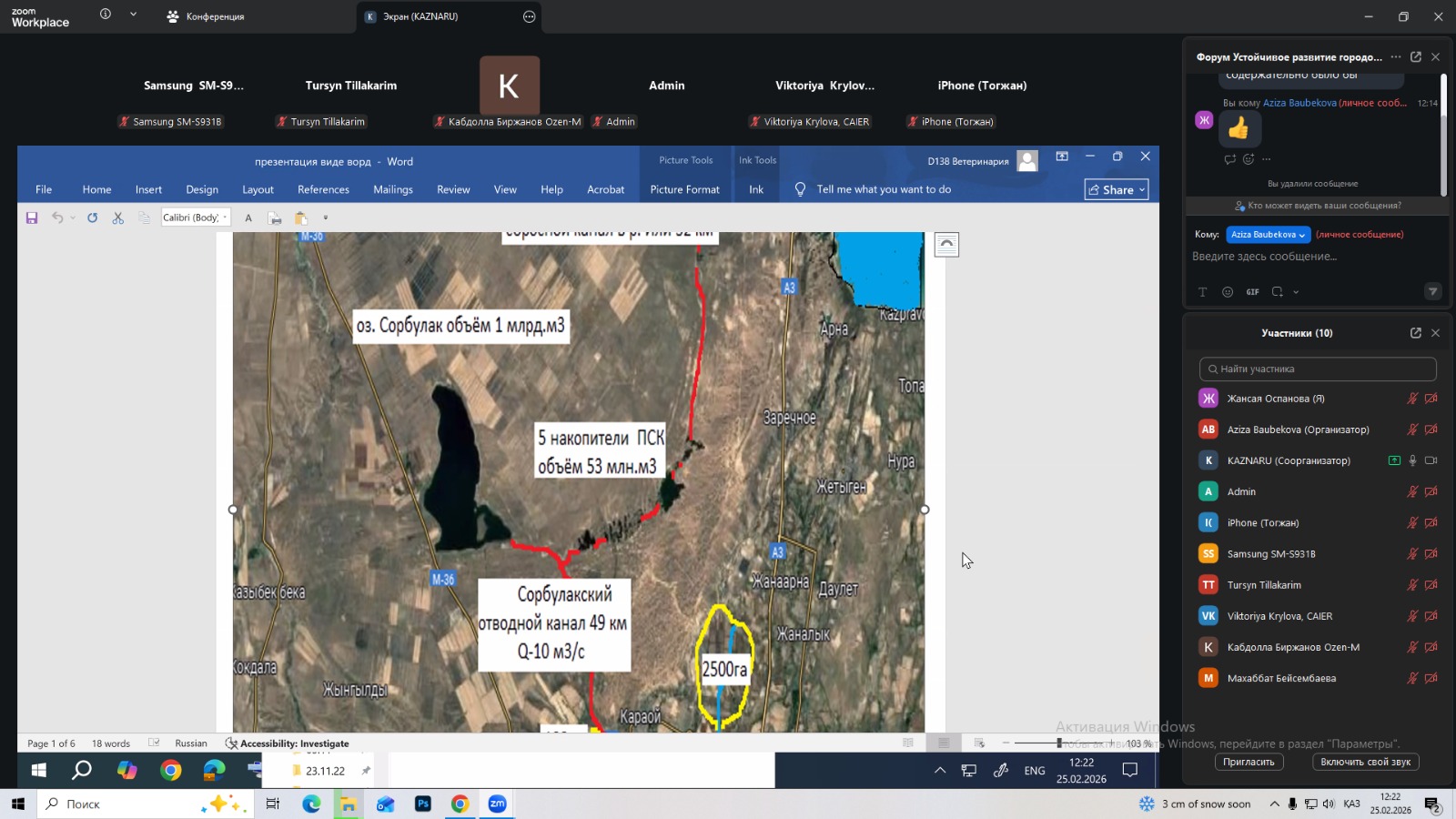
During the expert panel, Zhenisbek Beisenbayev, Head of the Production Unit of the Almaty branch of KazVodKhoz, raised the issue of rational reuse of treated wastewater from Lake Sorbulak for irrigation of fodder and technical crops. He noted that more than 145 million cubic meters of wastewater are generated annually in Almaty, a significant portion of which is not reused. Due to discharge limitations and the absence of an appropriate regulatory framework, approximately 10,000 hectares of irrigated land remain unused. He emphasized the need for regulatory development, revision of water level limits for Lake Sorbulak, and restoration of pumping infrastructure.
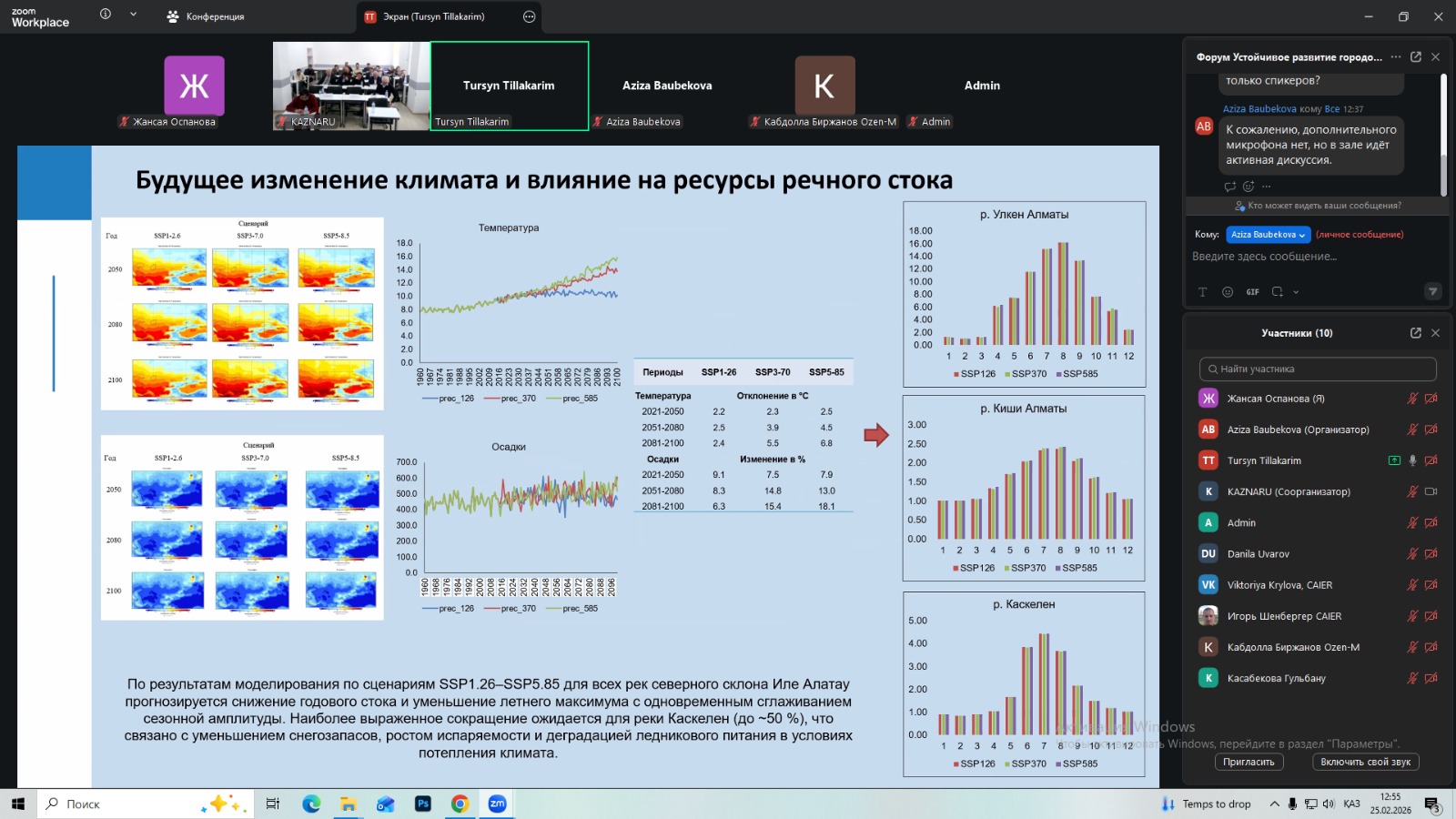
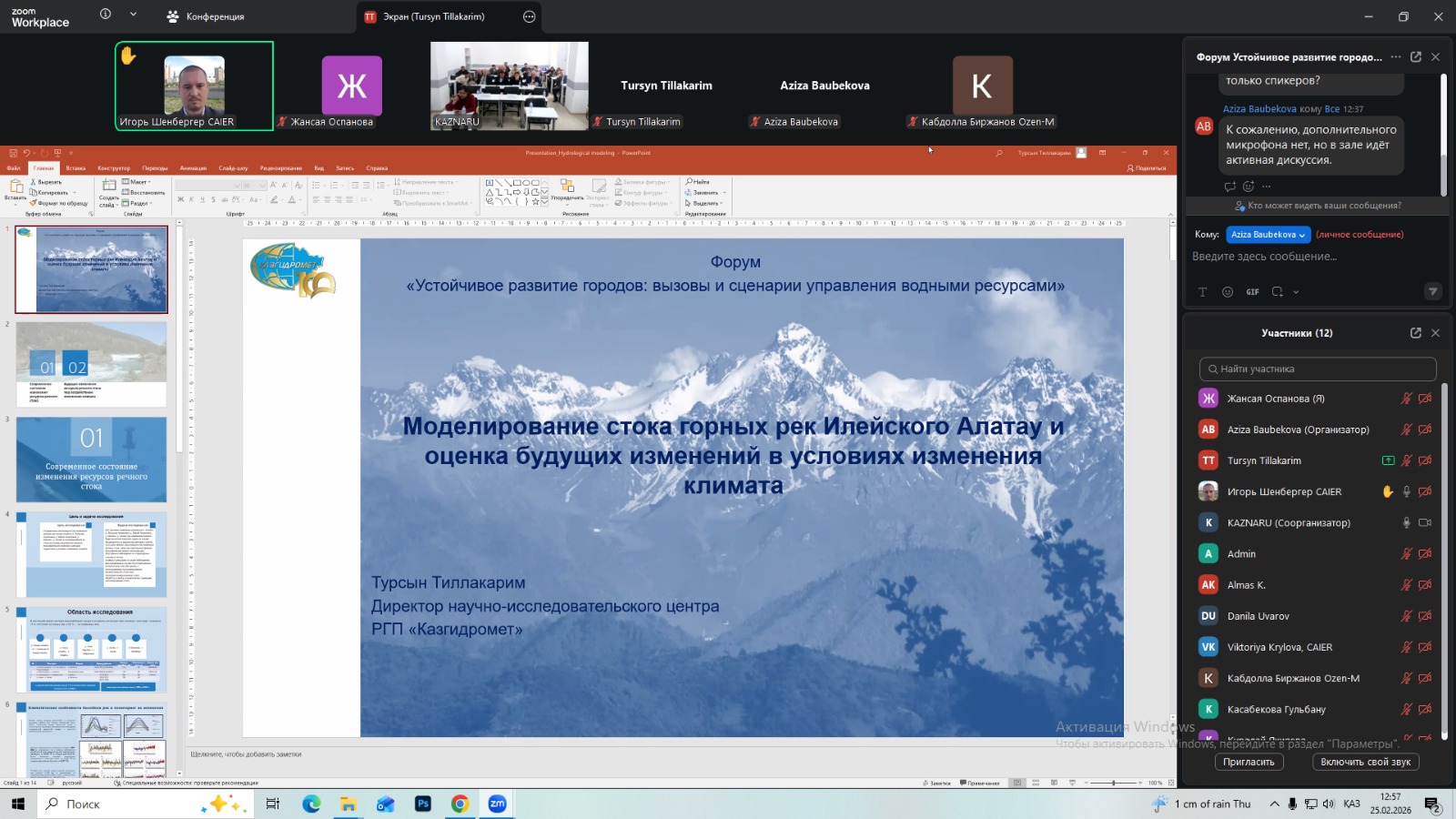
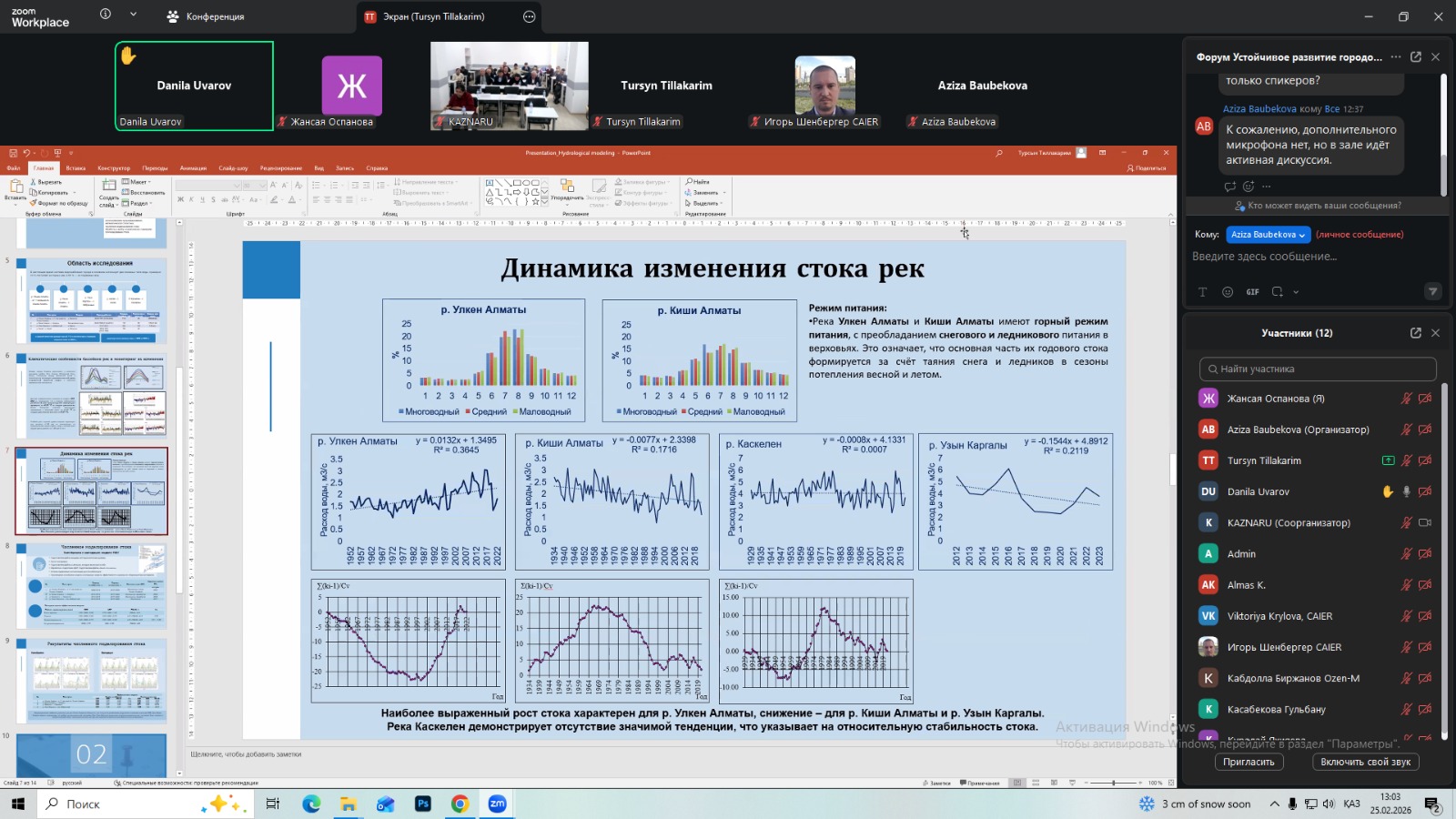
Another important expert presentation was delivered by Tursyn Tillekarim, Director of the Research Center of Kazhydromet. She presented modeling results of river runoff in the Ile-Alatau region and projections of future hydrological changes under climate change scenarios, which prompted discussion regarding the future conditions of the Malaya Almatinka, Bolshaya Almatinka, and Kaskelen rivers in the context of Almaty’s water supply and hydrological risks.
The first day concluded with a round table discussion involving scientists, industry specialists, and representatives of municipal authorities.
As a result of the discussions, the following key directions were identified:
-
development of integrated water resources management;
-
strengthening interagency coordination;
-
implementation of scenario modeling and foresight approaches;
-
expansion of international scientific cooperation.
The first day of the forum demonstrated a high level of expert dialogue and the relevance of the issues raised. The second day will feature a foresight session aimed at developing sustainable water management scenarios for the city of Almaty.
KazNARU Press Service
.jpeg)
.jpeg)
.jpeg)
.jpeg)
.jpeg)
.jpeg)
.jpeg)
.jpeg)
.jpeg)
.jpeg)
.jpeg)
.jpeg)