ORGANIZATION OF BREEDING IMPROVEMENT AND RESULTS OF ARTIFICIAL INSEMINATION OF SHEEP IN RAIMBEK DISTRICT, ALMATY REGION
Scientists of the Faculty of Veterinary Medicine and Animal Husbandry at the Kazakh National Agrarian Research University (KazNARU) systematically provide consulting support to government bodies and farmers of the Almaty region in implementing advanced technologies in animal husbandry and veterinary science, as well as ensuring scientific supervision.
Since August 2025, under the initiative of the Akim of Raimbek District, Mr. Dastan Sultanmuratovich Kudabayev, organized efforts have been underway to introduce artificial insemination technologies for sheep and cattle in private households, as well as small and medium-sized farms. These activities aim to improve breed quality, enhance genetic potential, and increase livestock productivity.
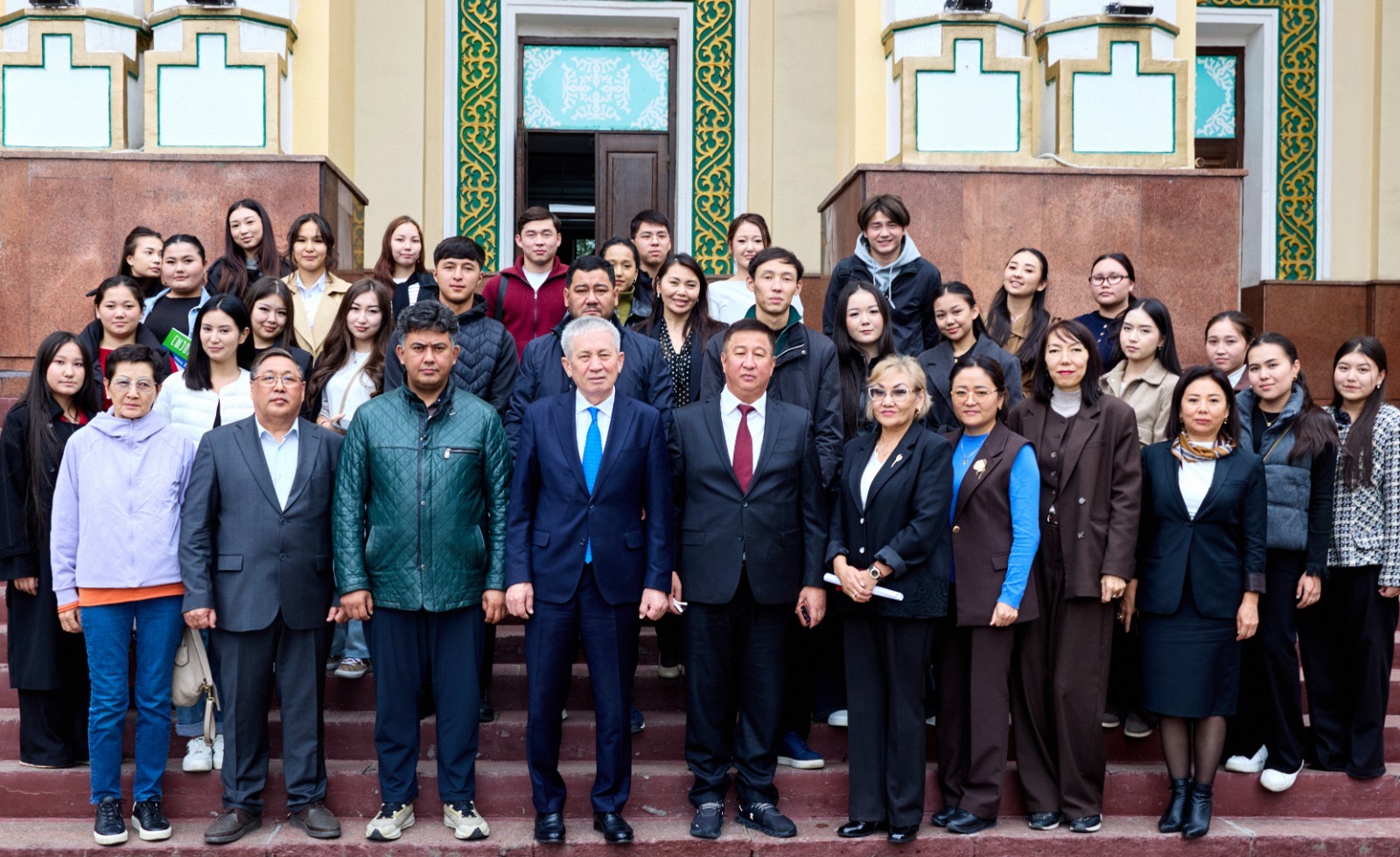
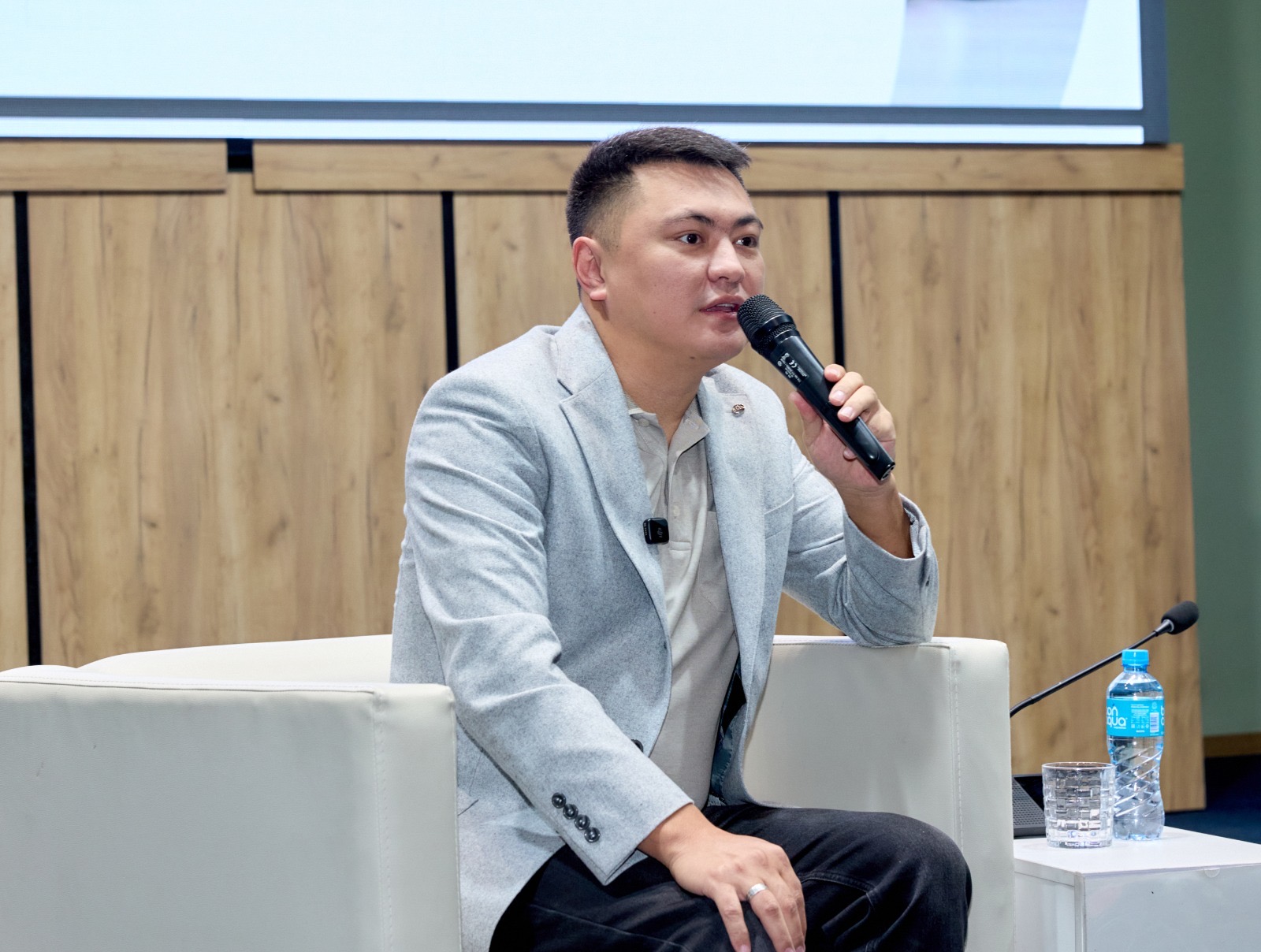
On April 16, 2026, a seminar was held at the Raimbek District Akimat focusing on the relevance of introducing artificial insemination technologies for cattle and sheep. The seminar addressed the advantages of using sexed semen for obtaining offspring of a desired sex, the prospects of embryo transfer technologies, and the economic feasibility of breeding specific sheep and cattle breeds adapted to the region.
The seminar was moderated by the Akim of the district, Mr. D.S. Kudabayev. Presentations were delivered by: a recognized expert in animal reproduction biotechnology and President of the Russian Livestock Development Foundation, Mr. A.V. Zhuravlev; Professor of the Department of Clinical Disciplines at KazNARU, Mr. E.S. Usenbekov; representative of “KazJIK” LLP, Candidate of Agricultural Sciences, Mr. T.E. Kenzhebayev; and managers of “Asyl Kokshe” company, Mr. Adilet Yessenov and Ms. Zhuldyz Kurmanbekova. The seminar was attended by specialists from the district agricultural department, veterinary services, and farm managers.
Mr. A.V. Zhuravlev proposed the use of embryo transfer technology from highly productive pedigree sheep to local recipient sheep, which enables rapid production of purebred offspring.
Professor E.S. Usenbekov introduced the audience to the specifics of organizing artificial insemination in the private sector and highlighted key challenges, including the shortage of qualified insemination technicians and organizational difficulties such as the need for separate maintenance of breeding bulls. He also noted that within Program 019 in Zhambyl region, the tendering process can take more than two months, which negatively affects operational efficiency.
KazNARU scientists have extensive experience in organizing artificial insemination in private and farm sectors. It was proposed to initiate the preparation of tender documentation under Program 019 in Raimbek District. The University is ready to provide full scientific support. The Department of Clinical Disciplines is equipped with all necessary tools, including Dewar vessels, semen thawing devices, insemination catheters, and related equipment.
Professor T.E. Kenzhebayev recommended suitable sheep breeds for the region, taking into account their adaptability, as well as meat and wool productivity.
The Akim of the district emphasized the high potential for increasing livestock numbers in the region and highlighted the importance of adopting modern reproductive biotechnologies such as embryo transfer, artificial insemination, and the use of sexed semen.
As a result of the seminar, a joint decision was made to ensure scientific support for the implementation of artificial insemination technologies and to prepare documentation for participation in Program 019.
The Akim expressed gratitude to KazNARU scientists, insemination technicians, a representative of the KazJIK institute, and farmer Nurbol Turbekov for organizing an artificial insemination center in Shalkode rural district.
In 2025, artificial insemination of ewes was carried out at the “Tur Ferma” farm. Currently, lambing is in progress, with active participation of students from the Faculty of Veterinary Medicine and Animal Husbandry.
It should be noted that artificial insemination is one of the most accessible and cost-effective methods for improving genetic quality and productivity in livestock.
Source:
Prof. E.S. Usenbekov
Prof. K.U. Koibagarov
Senior Lecturer A.A. Tuganbay
Prof. E.S. Usenbekov
Prof. K.U. Koibagarov
Senior Lecturer A.A. Tuganbay