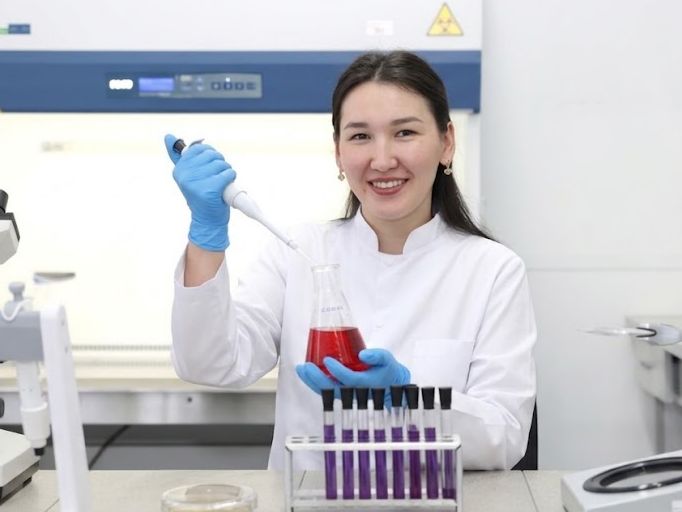
About Center

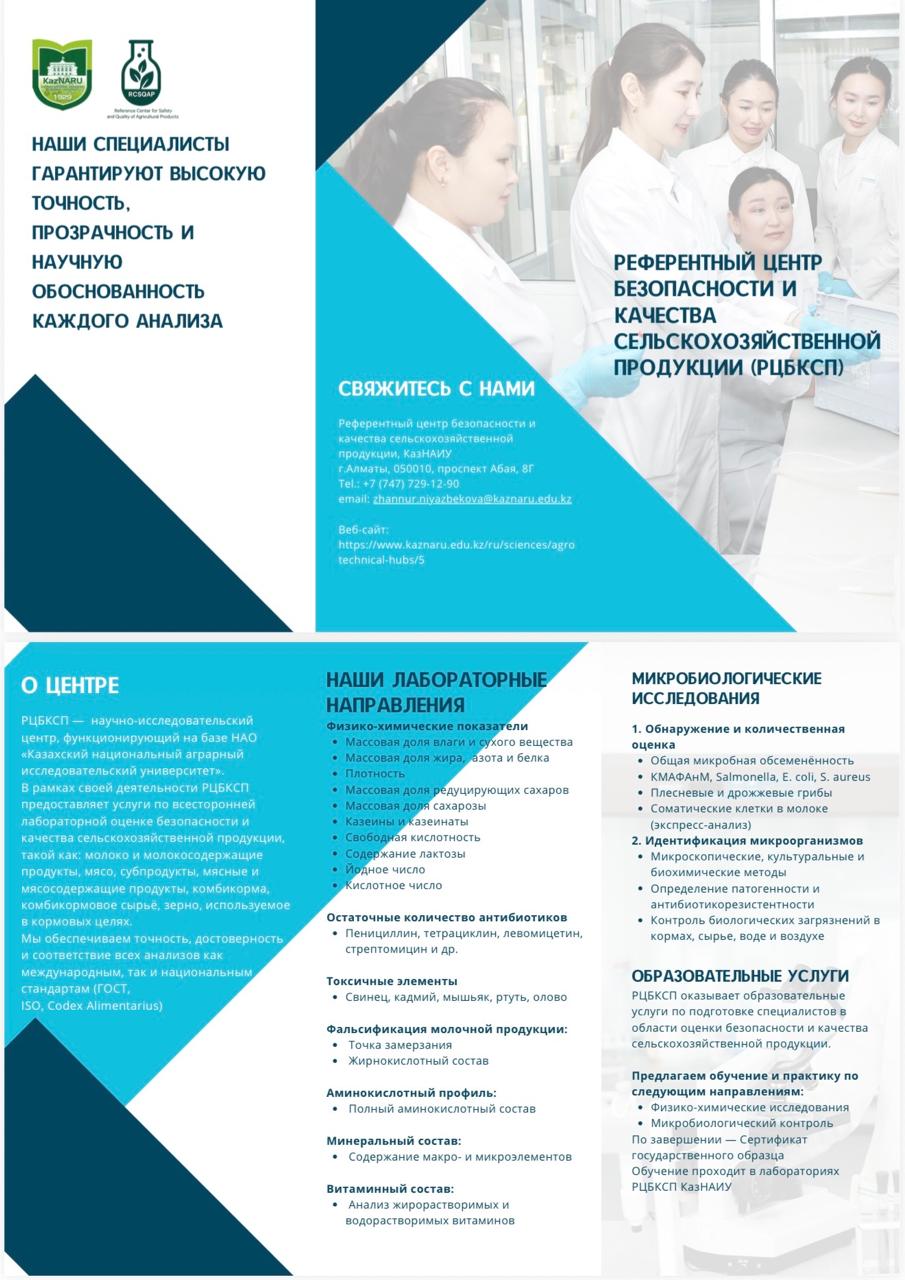
Reference Center for Safety and Quality of Agricultural Products (RCSQAP) is a research structural subdivision of the NJSC “Kazakh National Agrarian Research University.”
The Center conducts reference laboratory research in the field of safety and quality assurance of agricultural products, including products of animal and plant origin, feed and feed raw materials, ensuring compliance of test results with national and international standards (GOST, ISO, Codex Alimentarius).
MISSION OF CENTER
To ensure the safety and quality of food and agricultural products through scientifically grounded modern laboratory analysis methods, to contribute to the sustainable development of the agro-industrial sector, and to train highly qualified specialists.
Goals and objectives
GOAL OF CENTER
To develop and enhance the reference laboratory and scientific-educational infrastructure in the field of safety and quality of food and agricultural products, implement innovative technologies, and strengthen the integration of science, education, and industry.
MAIN OBJECTIVES OF THE CENTER
To ensure the safety and quality of food and agricultural products through the application of modern arbitration and reference laboratory analysis methods.
To conduct fundamental and applied research in the fields of food safety, biotechnology, and agro-industrial development.
To implement research outcomes and innovative technologies into the practice of the agro-industrial sector.
To train qualified specialists in food safety, biotechnology, and agricultural sciences, and to enhance their professional competencies.
To provide expert, consulting, and analytical services to legal entities and individuals within the scope of the Center’s competence.
To participate in scientific programs, grant-funded projects, and international cooperation initiatives in accordance with the Center’s profile.
Structure
The Center includes the Reference Laboratory for Dairy Products, established on January 16, 2020, in accordance with Order No. 30 within the framework of the project “Establishment of Research Laboratories for Training Specialists for the Agro-Industrial Complex of the Republic of Kazakhstan.”
The laboratory carries out research, educational, and production-oriented activities in the field of quality and safety assessment of milk and dairy products in compliance with international requirements, including the Codex Alimentarius standards.
Laboratory Structure
The laboratory’s activities are organized across the following key areas:
- Physicochemical unit – determination of the main quality indicators of dairy products (acidity, density, protein, fat, carbohydrates, etc.);
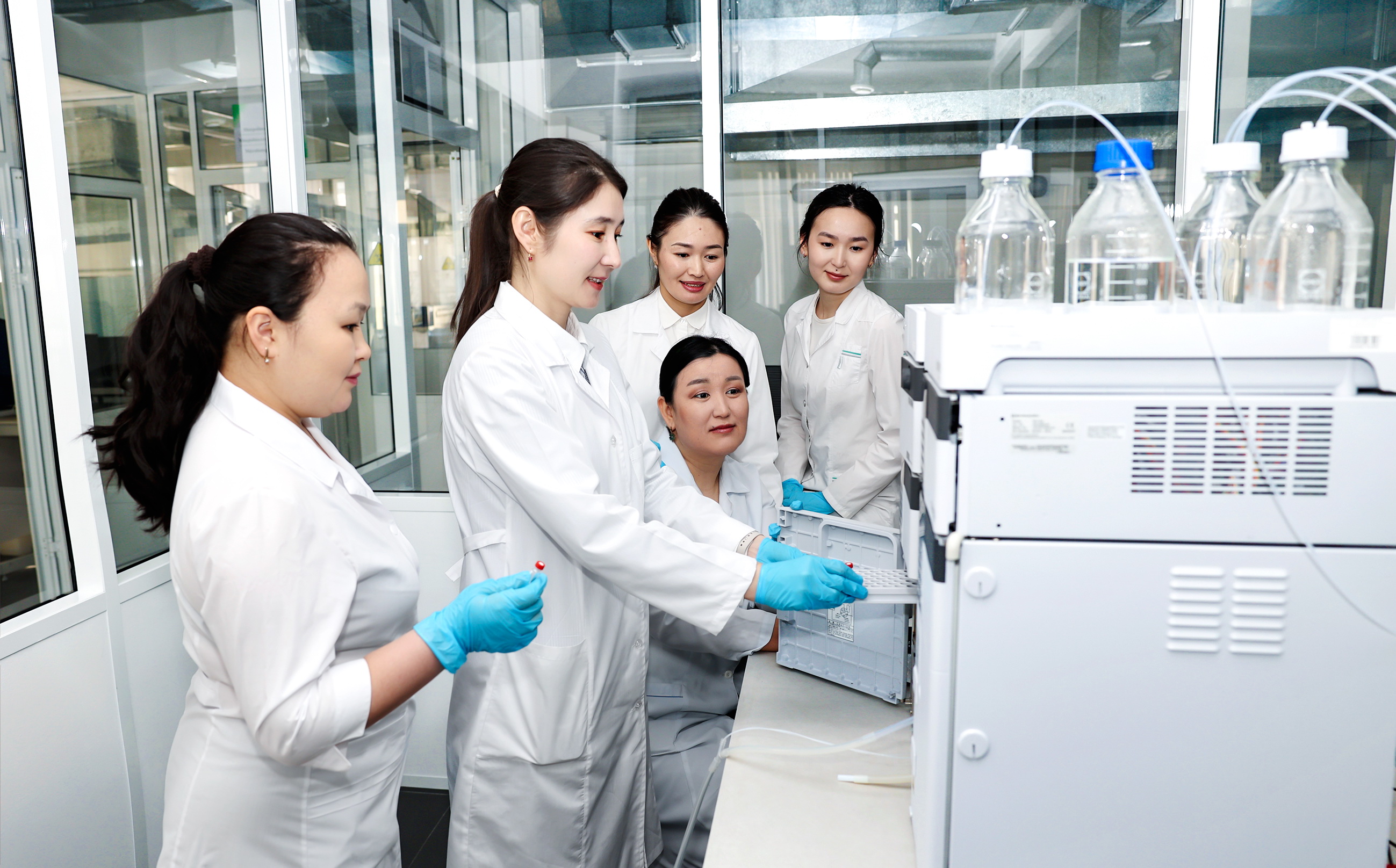
- Liquid chromatography unit – analysis of antibiotics, vitamins, and other biologically active compounds;
- Microbiological unit – investigation of microorganisms for the purpose of ensuring the safety of dairy products;
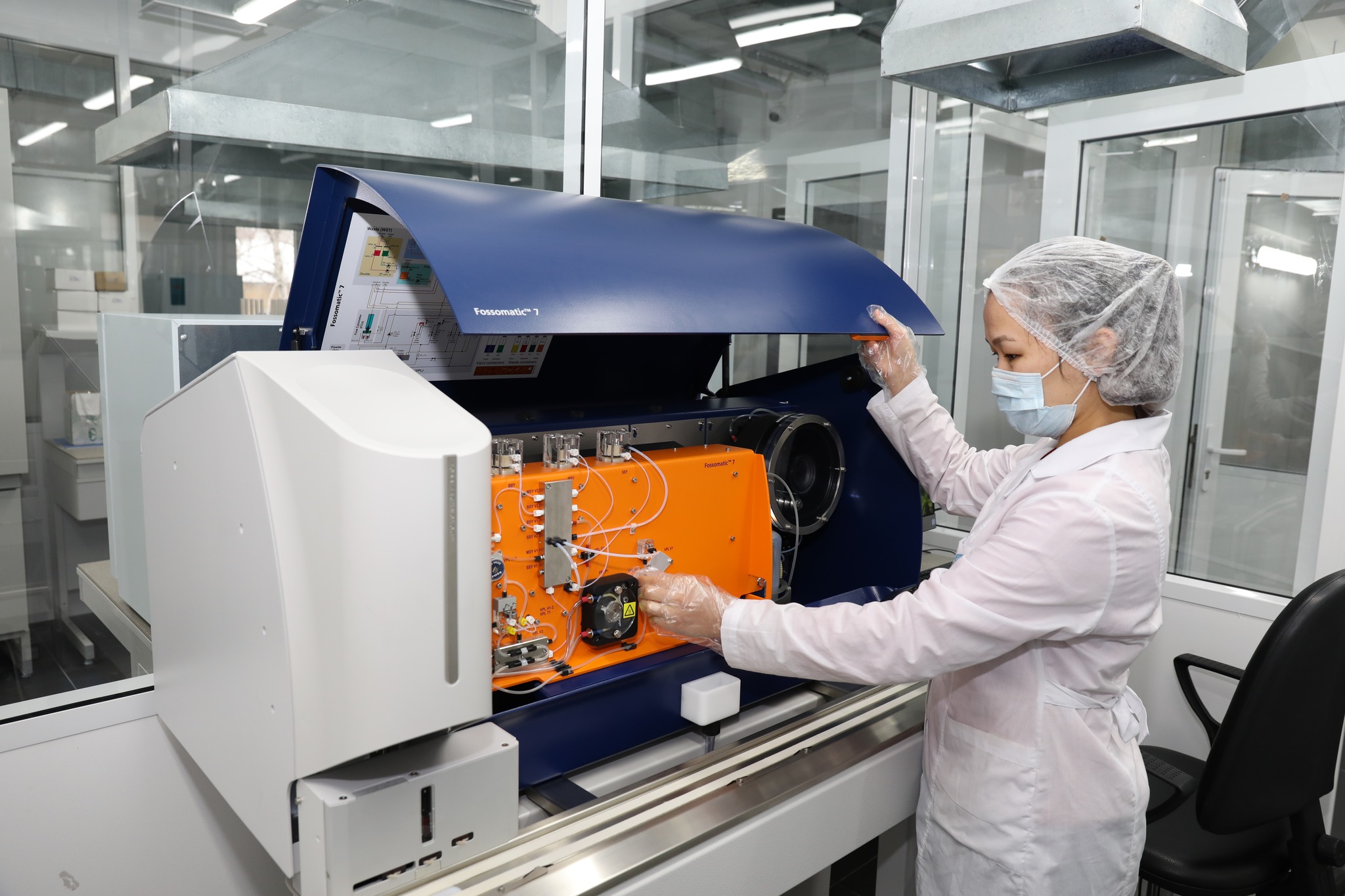
- Express analysis unit – determination of somatic cell count and rapid assessment of milk parameters using the MilkoScan system.
Technical Equipment
The laboratory is equipped with modern analytical instruments, including:
- somatic cell analyzer – Fossomatic 7;
- milk analyzer – MilkoScan FT1;
- liquid chromatography system – Shimadzu LC-20 Prominence (with spectrophotometric detector);
- nitrogen analysis system (Kjeldahl method, VELP);
- automatic cryoscope – CryoStar (Funke-Gerber, Germany);
- Soxhlet extraction apparatus;
- analytical balances (ATX224, ELB2000);
- muffle furnace, drying oven, air sterilizer, and incubator;
- pH meter and other auxiliary laboratory equipment.
Main research areas
1. Product Safety and Quality Control
• Moisture and dry matter content
• Fat and protein content
• Density and acidity
• Protein fractions
• Residual antibiotics
• Toxic elements: lead, cadmium, arsenic, mercury, tin
• Amino acid composition
• Lipids and fatty acid profile
• Carbohydrates (lactose, glucose, galactose)
• Vitamins
• Macro- and microelements (Ca, Mg, Fe, Zn, Se)
2. Detection of Dairy Product Adulteration
-
Freezing point
-
Fatty acid composition
3. Microbiological Services:
-
Total microbial count
-
Mesophilic aerobic and facultative anaerobic microorganisms (TAMC), Salmonella, E. coli, S. aureus
-
Yeasts and molds
-
Somatic cell counts in milk (express analysis)
-
Determination of pathogenicity and antibiotic resistance
4. Professional Development Program
-
Modern laboratory methods for safety and quality assessment of agricultural products
Education and scientific collaboration
The Center provides research-based and practical training for students, contributing to the development of their professional competencies.
The Center actively cooperates with agro-industrial enterprises, research institutes, and international organizations.
Practical classes, internships, scientific seminars, and workshops are organized for students.
Educational programs
- Technology of Food Products
- Technology of processing industries
- Food Safety
- Biotechnology
- Standardization and Certification
- Veterinary Food Safety and Technology
- Technology Production of Livestock products
Research achievements and projects
1. Program-Targeted Funding Project of the Ministry of Agriculture of the Republic of Kazakhstan (PTF, MoA RK) BR24892775 –“Development of technology for integrated and deep processing of agricultural raw materials for the production of food products ensuring high quality and safety of manufactured products.”
(Project implementer: Zh.B. Dosimova)
2. Grant-Funded Project for Young Scientists (2023–2025) –“Development of a technology for producing therapeutic and preventive nutrition products based on mare’s milk with immunomodulatory properties.”
(Project implementers: Zh.B. Dosimova, A.M. Zhunisbek)
3. Program-Targeted Funding Project of the Ministry of Agriculture of the Republic of Kazakhstan (PTF, MoA RK) BR22886598 –“Development of innovative methods to enhance the genetic potential of camels of Kazakh populations, as well as the application of efficient technologies for the production and processing of camel products. Development of optimal technologies for pasteurization and sterilization of camel milk and the production of a fermented milk beverage ‘Shalap’ based on it.”
(Project implementer: Zh.B. Dosimova)
4. Project “Modernization of Production Processes for Functional Products Based on Cow’s Milk” — implemented within the framework of grant funding for the commercialization of results of scientific and/or scientific and technical activities in cooperation with Baiserke-Agro LLP.
Project implementation period: 2019–2021.
Project Supervisor: A.D. Serikbayeva.
5. Project of the Scientific and Technical Program, Program-Targeted Funding of the Ministry of Agriculture of the Republic of Kazakhstan (BR24892775) — “Development of Technologies for Integrated and Advanced Processing of Agricultural Raw Materials for the Production of Food Products Ensuring High Quality and Safety of Manufactured Products.”
6. Project of the Scientific and Technical Program, Program-Targeted Funding of the Ministry of Agriculture of the Republic of Kazakhstan (BR22886598) — “Development of Innovative Methods to Enhance the Genetic Potential of Camel Populations in Kazakhstan, as well as the Application of Efficient Technologies for the Production and Processing of Camel Breeding Products. Development of Optimal Technologies for Pasteurization and Sterilization of Camel Milk, and the Production of the Fermented Milk Beverage ‘Shalap’ Based on It.”
Project Supervisor: A.D. Serikbayeva.
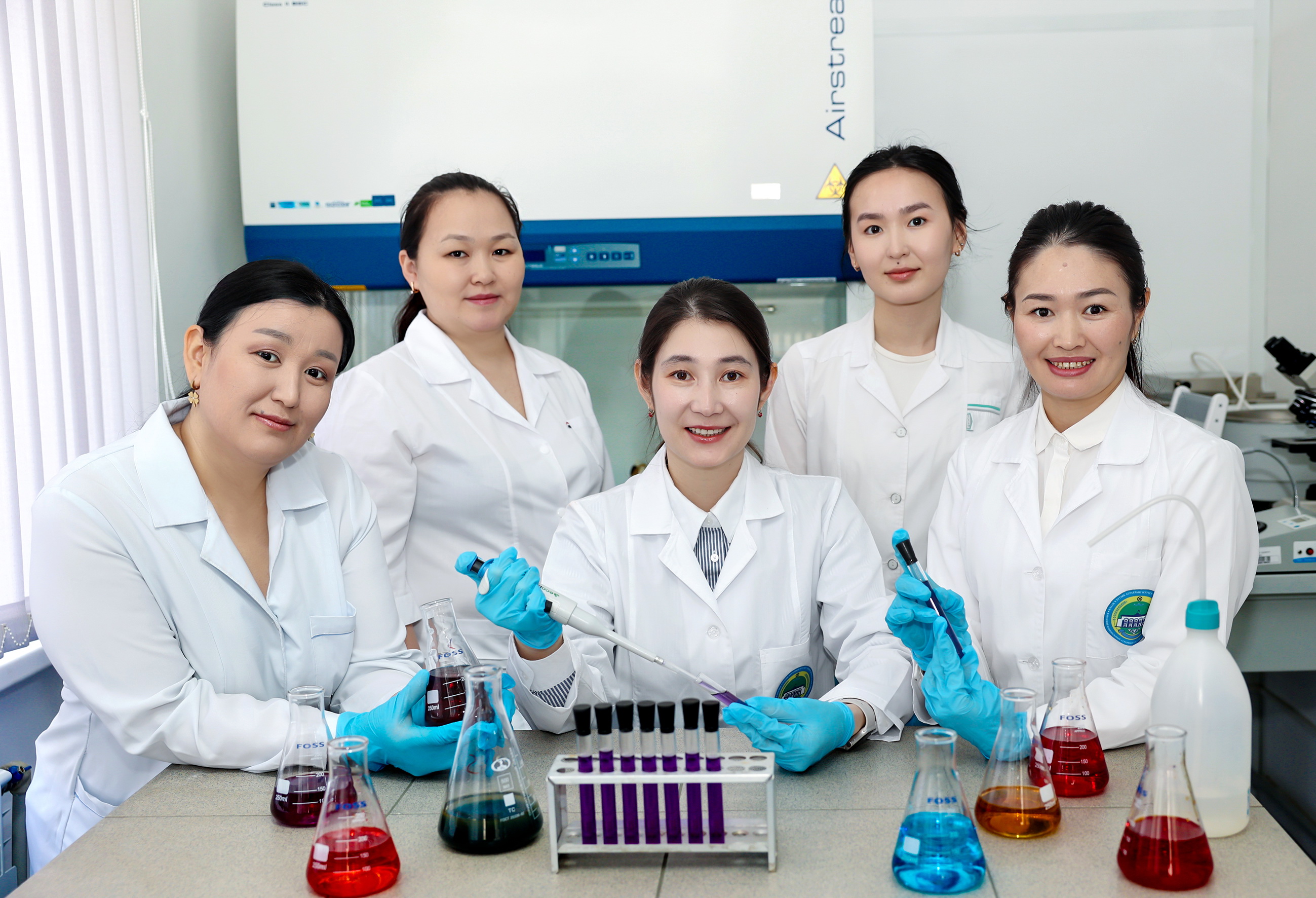
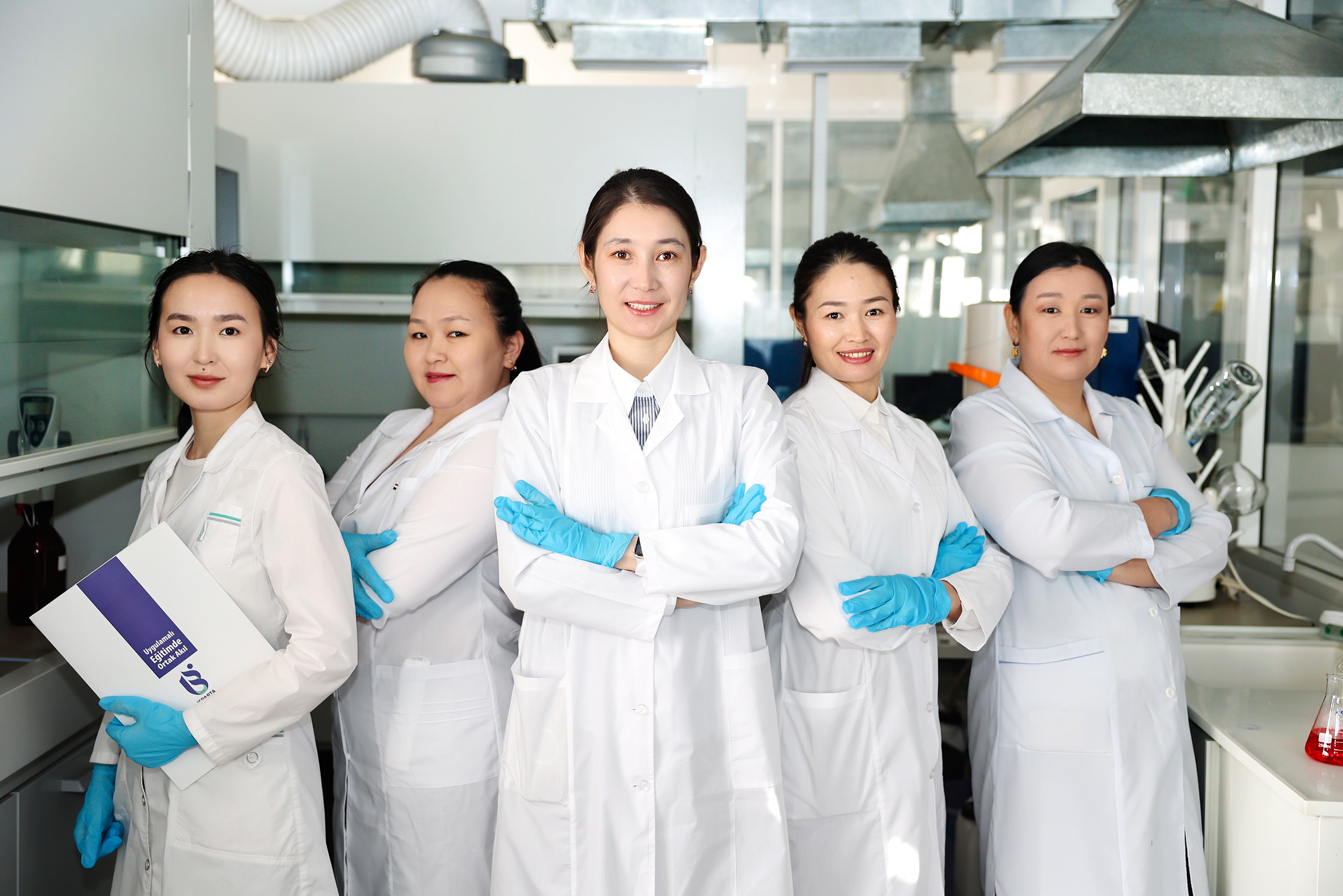
Laboratory staff members participate in these projects as executors.
Photo Gallery


.jpg)

Employees
Head of the Reference Center for the Safety and Quality of Agricultural Products
PhD in Veterinary Science
Researcher at the Reference Laboratory of Dairy Products
Master of Chemical Sciences
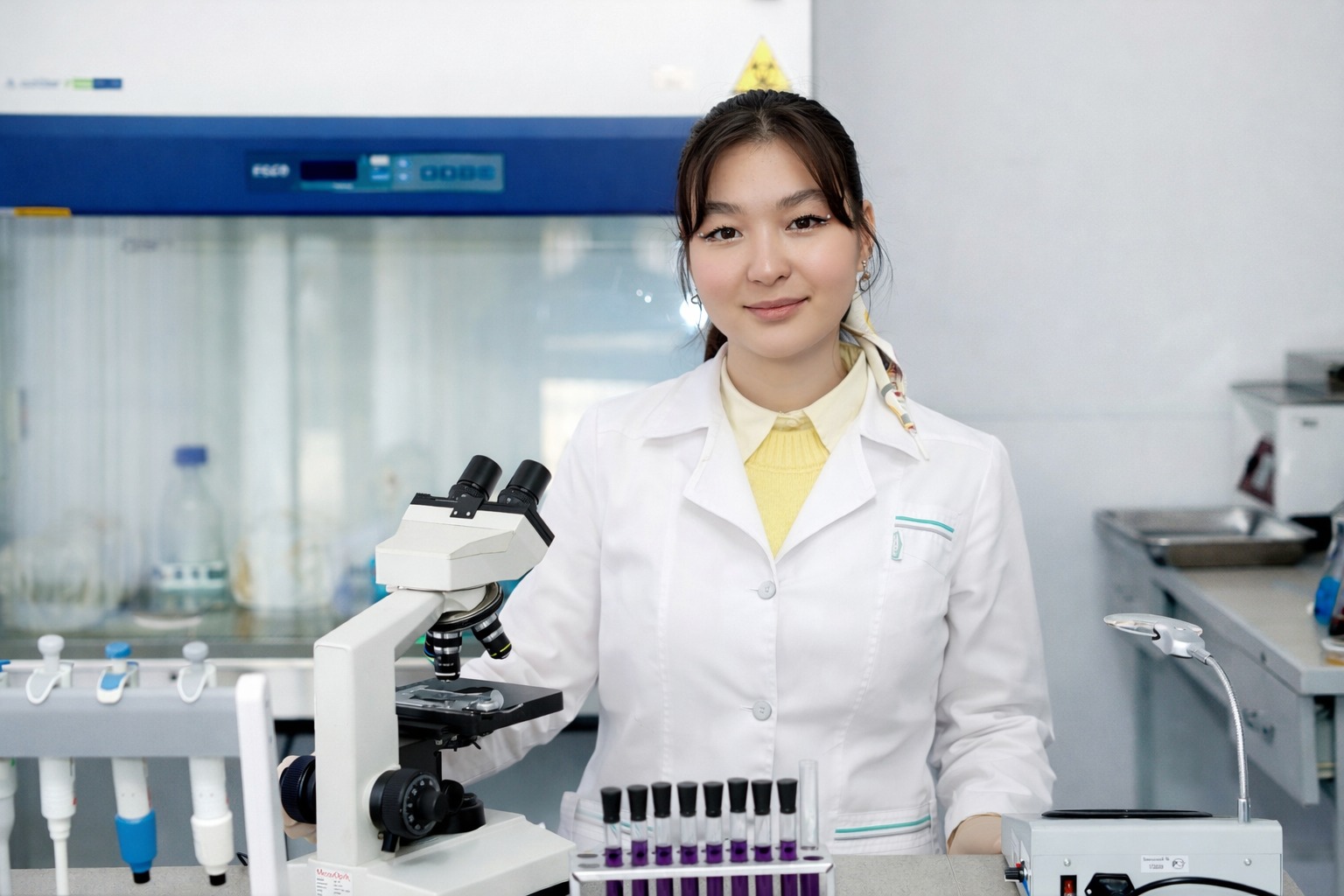
Laboratory Technician at the Reference Laboratory of Dairy Products
Bachelor of Natural Sciences